

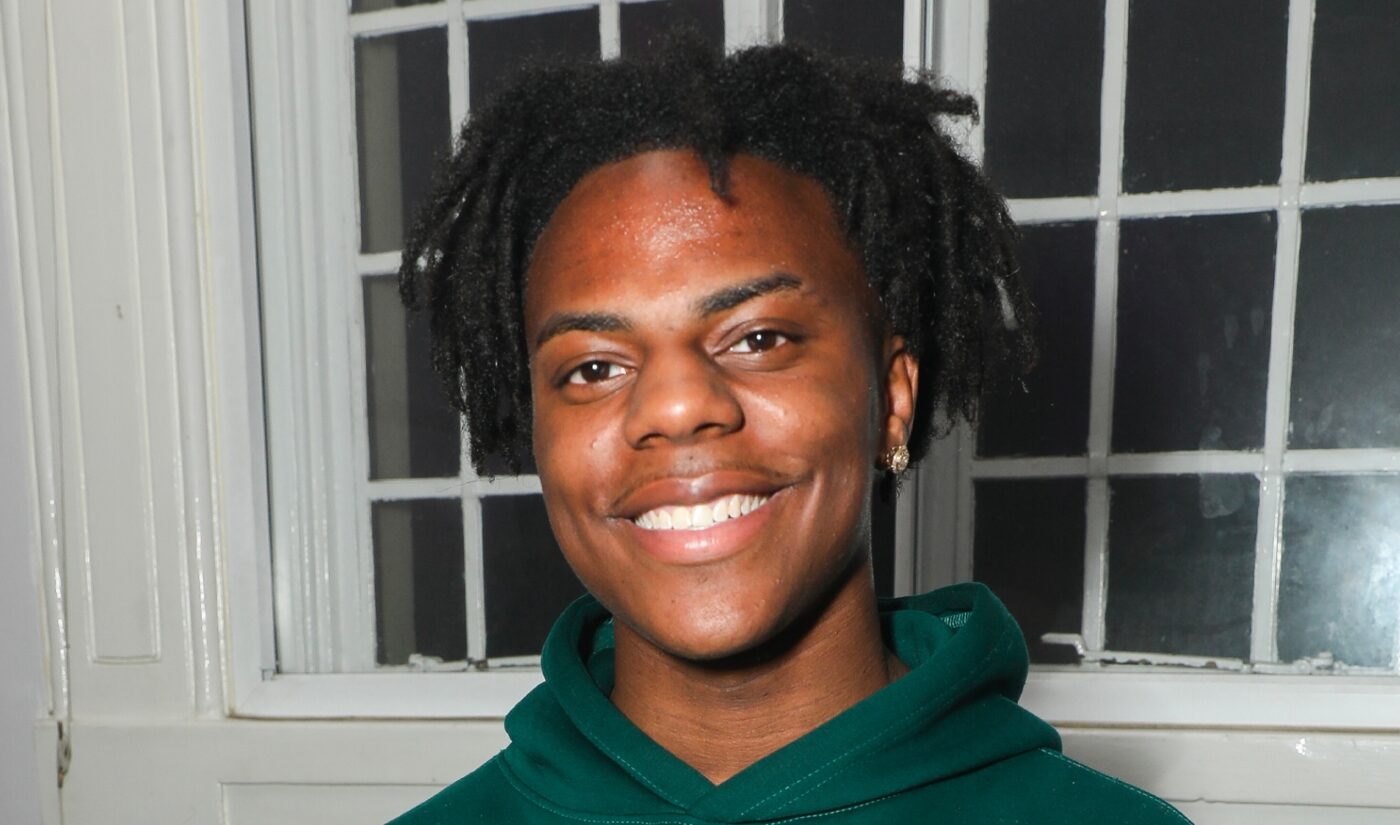
The real story of IShowSpeed’s visit to Nigeria is not about who he is or how famous he may be. It is actually about how quickly some Nigerian celebrities abandoned dignity in exchange for proximity, validation, and fleeting attention, and what that says about the state of our celebrity culture.
IShowSpeed is a globally recognized digital content creator whose influence is built primarily through live streaming and internet-first entertainment, with tens of millions of followers across platforms and live streams that regularly attract hundreds of thousands of viewers.
His visit to Nigeria, however, received more than the influence of internet culture. It exposed a discomforting moment within the Nigerian entertainment space, one where some established figures appeared willing to publicly lower their own status just to gain attention and validation. What should have been a moment of mutual respect instead became a reflection of how the chase for attention can weaken self-respect, professional dignity, and the symbolic weight of celebrity itself.
The Problem Was Not Excitement It Was Posture
The real issue is not IshowSpeed’s visit to Nigeria. It is how some Nigerians, including established entertainers, chose to position themselves in his presence. And that positioning was embarrassing to the nation; begging IShowSpeed for money and attention.
I can understand ordinary Nigerians in this matter. But when established entertainers like Peller and Ogb Recent publicly position themselves as fans seeking validation, the moment stops being personal. It becomes symbolic.
Peller is a Nigerian comedian and online entertainer who rose to prominence through short-form comedy content on social media. He is widely recognised for his Tiktok-based humour and has built a strong following among young Nigerian audiences. Over time, he has transitioned from a casual content creator into a visible figure within Nigeria’s digital entertainment space, often appearing in collaborations, events, and mainstream online conversations.
Ogb Recent is a Nigerian comedian and digital creator known primarily for street-style comedy and online skits. His content often leans on everyday social situations and has earned him popularity within grassroots and online comedy circles. He represents a growing category of Nigerian entertainers whose visibility is largely driven by social media presence rather than traditional film or television platforms.
So one wonders: with the status these two personalities hold within the Nigerian entertainment space, how did they decide to go so far below standard? For whatever reasons motivated their actions, the optics were troubling; Peller approaching like a hungry beggar, extremely desperate for attention, and Ogb Recent begging for just a selfie.
What Actually Made It Embarrassing
The embarrassment was not that IShowSpeed came to Nigeria. Yes, Nigerians were excited. Celebrities showed interest. The embarrassment was how some Nigerian celebrities positioned themselves. They did not show curiosity. They did not show mutual respect. They showed subordinate desperation.
When a celebrity rushes another celebrity without protocol, begs for selfies instead of mutual acknowledgement, forces proximity without consent, or tries to hijack another person’s live stream, they are making a public declaration of hierarchy; publicly and voluntarily placing themselves below IShowSpeed in the social and global entertainment order. Not because IShowSpeed demanded it or that he controls their careers. But because their behaviour signals it, whether they realise it or not.
Those actions say, without speaking: You are the center. I am the audience. You have status. I am seeking it. You are above me. I am seeking relevance through you.
That is where dignity collapsed. And that is what Nigerians found painful to watch. There is nothing wrong with welcoming a global creator or collaboration. What went wrong was symbolic self-placement.
Why the Selfie and the Bodyguard Moment Hurt
In public culture, gestures are not neutral. A selfie is not just a picture; it is a declaration of admiration. Among peers, there is greeting, conversation, or collaboration, not fan behaviour. When a local celebrity is physically blocked or pushed aside by a visitor’s security while attempting to force access or go live, the issue is no longer personal embarrassment. It becomes symbolic humiliation. Not because the visitor is malicious, but because the host voluntarily placed themselves beneath the line. Once that happens on camera, the damage is no longer reversible. Because celebrities are not just individuals; they are symbols of an industry.
When a Nigerian comedian with years of local relevance, cultural grounding, and audience authority suddenly behaves like a fanboy begging for attention, the optics don’t stop at the individual. It quietly says: “Our industry is small. Our validation is external.” That’s what people reacted against.
The conversation is not about who has more money, more followers, or more global reach. A person can be globally visible and still be a guest. Likewise, a person can be locally rooted and still command dignity. The problem arises when local relevance is traded for external validation. Global attention does not require local self-erasure. Self-respect should not be abandoned for visibility. Respect is reciprocal. Dignity is non-negotiable.
Why This Hurts the Nigerian Entertainment Industry and What Should Have Happened Instead
Interaction does not require submission. Collaboration does not require desperation. A composed greeting, clear boundaries, and mutual respect preserve parity. Because dignity is not granted by global visibility, it is maintained by self-awareness. When attention becomes currency, dignity becomes expendable. This is how respected figures turn into clout-chasers. Industries weaken themselves. History is traded for momentary exposure.
Nigeria already has global music exports, respected comedians, and cultural authority. So when our own entertainers abandon protocol, collapse hierarchy, beg publicly, it contradicts the story we’ve spent decades building.
This is not to say Nigerians should not interact with foreign creators or that collaboration is bad. It is to say that interaction must be grounded in self-respect. Celebrity engagement carries symbolic weight. Dignity is more important than exposure.
Nigeria does not lack talent, relevance, or cultural authority. What it risks losing is self-respect when attention becomes the goal. The growing cultural habit where attention is pursued at the expense of self-respect must be challenged.
No matter how global a visitor is, a host who forgets their worth embarrasses not just themselves, but the house they represent – BoldTake.
I so submit.
