

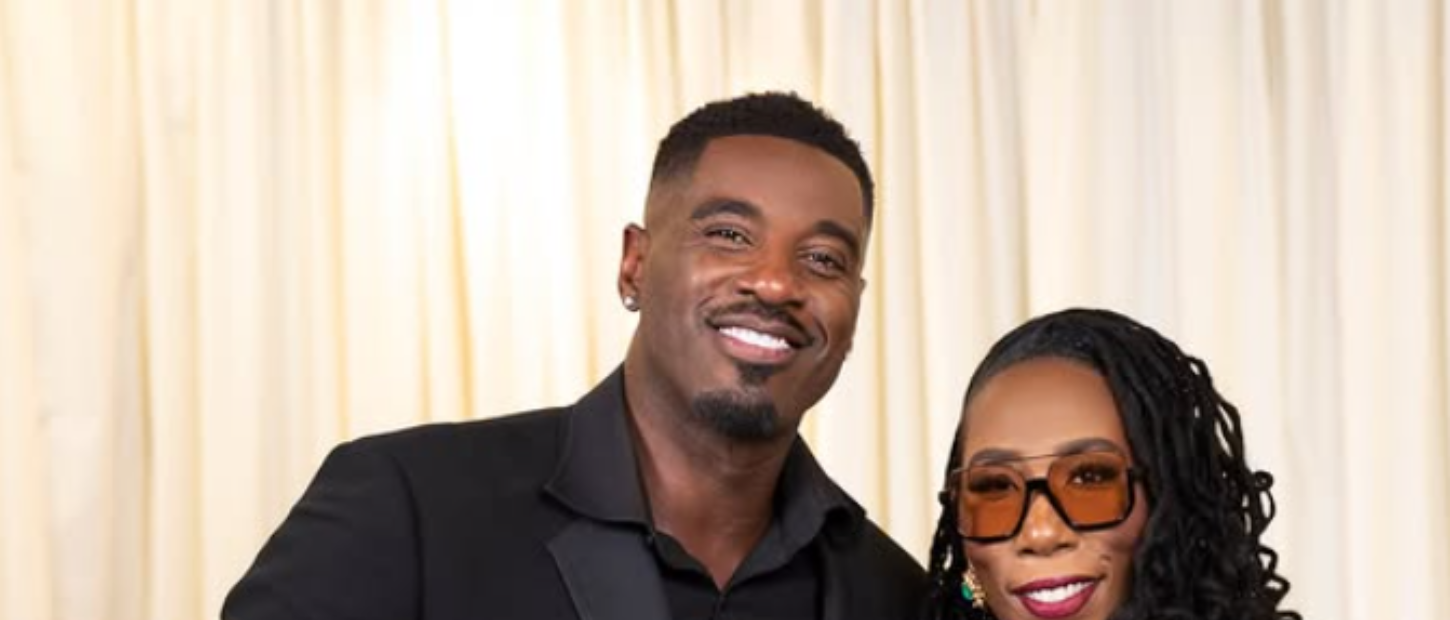
“Beauty in Black” actor Terrell Carter shares the heartbreaking story of being born by an 11-year-old mother, shedding light on trauma, silence, and survival.
There are stories that trend… and then there are stories that stay with you.
When Terrell Carter revealed that his mother was just 11 years old when she gave birth to him, the internet didn’t just react, it erupted. But beyond the viral clips and shocking headlines lies a story far deeper than most people are willing to sit with.
The recent interview on Steve Harvey’s Vault Empowers hosted by Brandi Harvey, featuring Terrell Carter falls into the latter category.
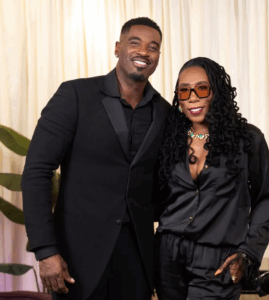
Carter revealed in his interview that he was conceived through sexual violence involving his mother, who was just 11 years old at the time and a member of her family who was 26 years old at that time too; the internet did what it always does reacted fast, loudly, and sometimes carelessly.
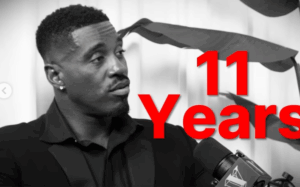
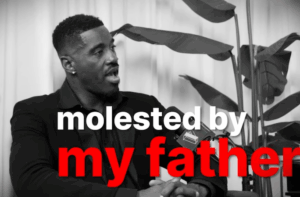
Clips started flying around with shocking captions, phrases were reduced to soundbites and suddenly, a deeply layered story became “that actor who said he was born from rape.”
But here’s the problem: reducing it to a headline makes it easier to consume… and easier to dismiss.
What disturbs people isn’t just the story it’s what it represents… Think about it; an 11-year-old girl, a family that didn’t or couldn’t step in early enough, a child born into a situation wrapped in silence.
This isn’t just one person’s reality, it’s a reflection of something society often avoids talking about: how abuse, especially within families, is hidden, minimized, or quietly buried.
And that’s where Carter’s story stops being “shocking” and starts being uncomfortably familiar.
A lot of people online have fixated on one part of the interview: the fact that his mother is only 11 years older than him, but there’s nothing puzzling about it. It simply means she was a child forced into motherhood.
One of the most striking parts of Carter’s story is not just how he was born, but how he grew up.
He described feeling like a secret.
Something the family didn’t quite know how to explain… so they didn’t.
And honestly, that’s where this story hits hardest.
Because silence is often mistaken for protection.
When in reality, it’s just postponing the moment the truth finally demands to be seen.
It takes a certain level of courage to say, publicly, “this is where I come from.”
Not because it’s easy but because it’s not.
By speaking, Terrell Carter disrupts something many people rely on: the comfort of not knowing.
And maybe that’s why the interview is spreading so quickly.
Not just because it’s shocking but because it forces people to confront things they would rather scroll past.
This isn’t drama, this isn’t entertainment, this is someone reclaiming a story that was never told on his terms.
Yet, social media has a way of flattening everything, turning pain into content, and context into captions.
And that’s where we, as viewers, have to be careful.
Because the way we consume stories like this matters just as much as the story itself.
There’s a reason this interview is sticking with people.
It’s not just what Terrell Carter said.
It’s what his story represents.
And maybe, just maybe, the real conversation isn’t about how shocking it is…
…but about why stories like this are still so easy to hide in the first place.
