

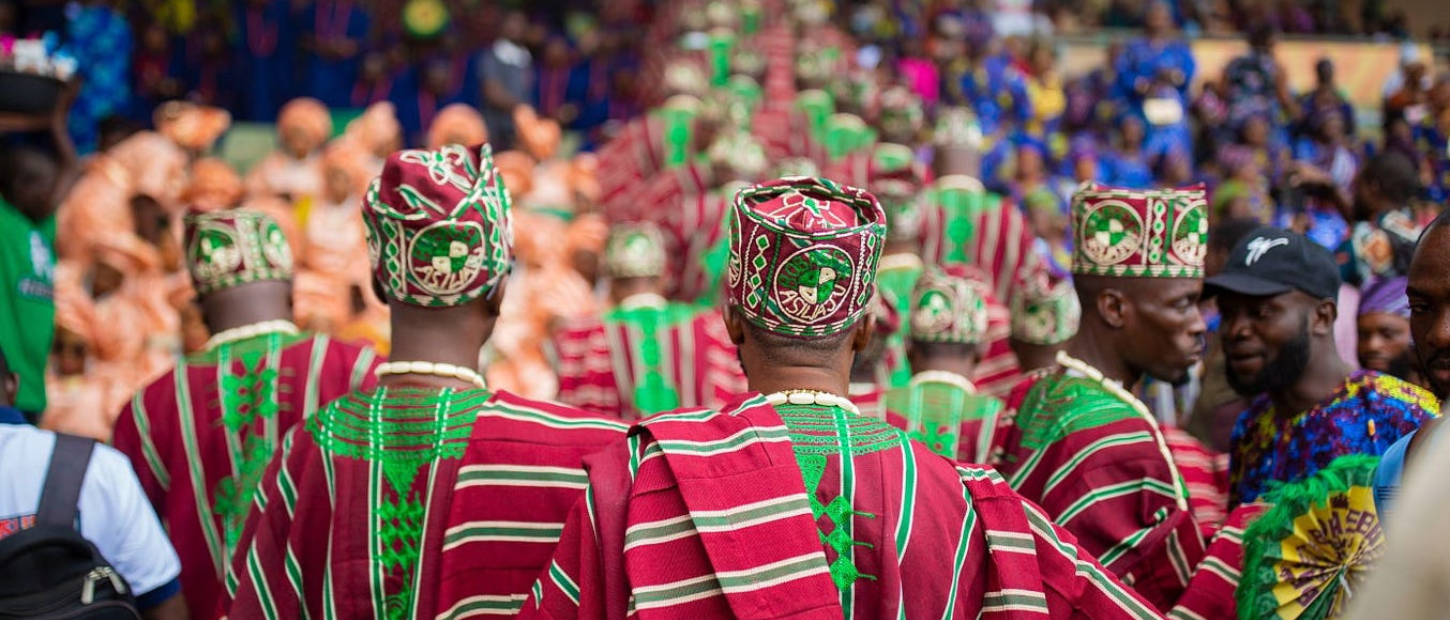
In a country where many traditions are struggling to survive modern influence, the Ojude Oba Festival has done something remarkable. It has refused to fade.
Year after year, the streets of Ijebu Ode transform into a breathtaking display of culture, elegance, identity, and pride. But beyond the luxury aso oke, horse-riding families, and internet-breaking fashion moments, Ojude Oba represents something much deeper. It represents the power of a people who have successfully preserved their heritage without making it feel outdated.
That is why Ojude Oba remains one of Nigeria’s most important cultural festivals.
Ojude Oba, which translates to the “Majestic Outing,” is not just another festival on Nigeria’s cultural calendar. It is a living statement about identity, influence, and continuity.
Before discussing why the festival remains so important today, it is necessary to understand where it all began.
Historically, Ojude Oba started as a gathering among Ijebu Muslims who came together to pay homage to the Awujale for allowing them practice Islam freely. At the centre of the festival’s growth was Chief Balogun Kuku, an influential figure whose conversion to Islam reportedly inspired many others to convert as well. His growing influence eventually contributed to the transformation of earlier celebrations into what later became the globally recognized Ojude Oba Festival.
Today, what started as a modest gathering has evolved into one of Africa’s most visually celebrated cultural events.
And perhaps the first reason it remains important is because Ojude Oba has become a cultural gathering point for influence and excellence.
Whether people like to admit it or not, the festival carries a level of prestige that very few Nigerian cultural events can rival. Prominent business figures, governors, celebrities, royalty, and members of the diaspora all make their way to Ijebu Ode every year. The presence of respected personalities like Farooq Oreagba and other notable figures has further amplified the festival’s visibility and appeal.
But Ojude Oba is not important simply because influential people attend it.
It is important because it has made culture aspirational again.
For many years, several young Nigerians viewed traditional attire and indigenous culture as “old-fashioned.” Ojude Oba changed that narrative completely. The festival turned Yoruba fashion into a symbol of sophistication, luxury, and pride.
The colour combinations. The handwoven aso oke. The detailed embroidery. The accessories. The confidence.
Ojude Oba has become the pinnacle of high-end cultural fashion in Nigeria.
Today, many young people who once distanced themselves from traditional dressing now proudly embrace it because festivals like Ojude Oba have made culture feel stylish again. In many ways, the festival has influenced modern Nigerian fashion more than several formal fashion institutions.
And that influence stretches beyond clothing.
Ojude Oba has become a cultural pace setter. Schools, brands, social groups, and organizations now borrow its aesthetic and structure for events and campaigns. The name itself has become symbolic of elegance and prestige.
That level of cultural influence cannot be ignored.
Another reason the festival stands out is its visibility for women within cultural displays. In many traditional settings across Nigeria, women are often pushed to the background during ceremonial activities. Ojude Oba presents a different image.
Female horse riders and princesses now command attention during the festival, representing a shift from the heavily male-dominated narratives often associated with traditional celebrations. Figures like Princess Adesile and Kuku Hamidah symbolize a more inclusive representation of cultural identity.
That matters in today’s cultural conversations.
Beyond symbolism and beauty, Ojude Oba also contributes significantly to the economy.
Hotels become fully booked. Fashion designers receive massive orders. Caterers, makeup artists, photographers, transport workers, content creators, event planners, and local traders all benefit from the influx of visitors and attention the festival generates annually.
In a country searching for sustainable tourism opportunities, Ojude Oba has quietly built one of Nigeria’s strongest cultural tourism brands without relying heavily on government promotion.
And perhaps that is what truly makes the festival special.
Ojude Oba is not trying to survive modernity.
It is thriving inside it.
At a time when many cultural traditions are disappearing, Ojude Oba continues to evolve while still protecting its roots. It has become more than a festival for the Ijebu people. It is now a cultural symbol that reflects how powerful heritage can be when people choose to preserve it with pride.
That is why Ojude Oba remains one of Nigeria’s most important cultural festivals.
Not just because of the glamour.
But because it has successfully turned culture into legacy, influence, pride, and economic power all at once.
