

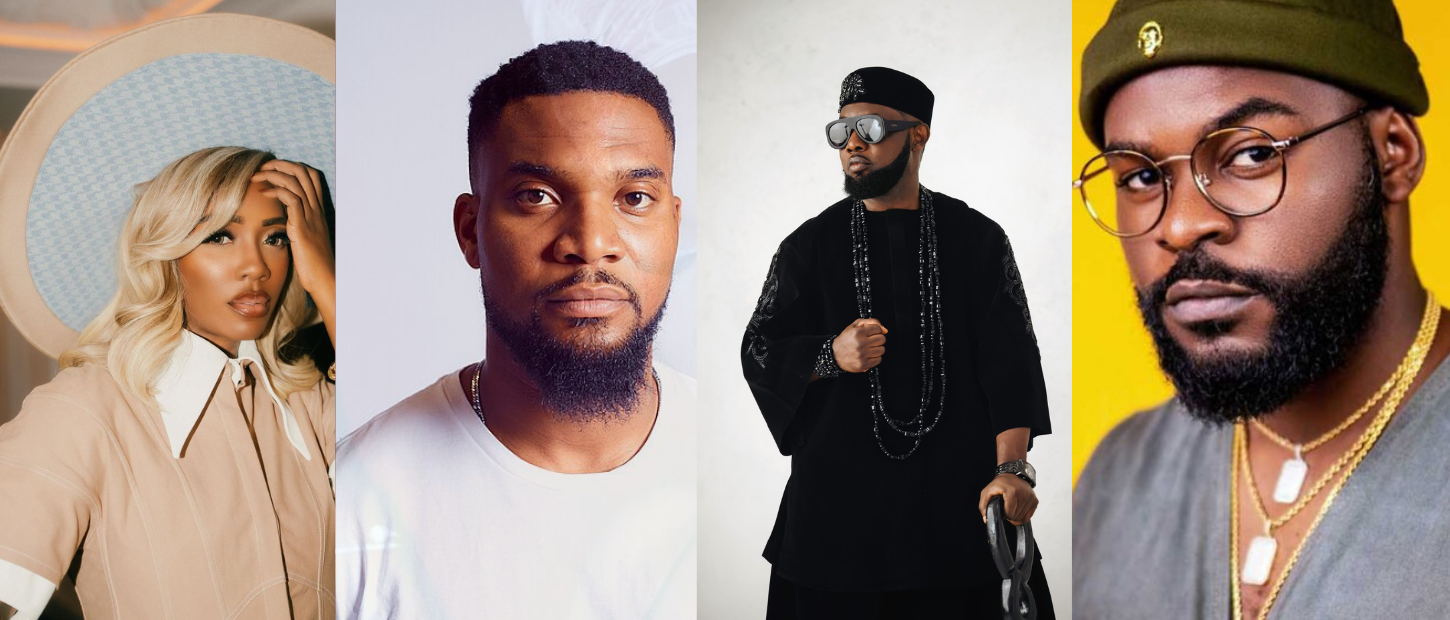
This recurring question surfaces with every national crisis: Why aren’t celebrities speaking up?
It is understandable. In a country grappling with persistent challenges such as economic hardship, insecurity, institutional weaknesses, and governance failures, public figures with massive platforms naturally become focal points for frustration. Yet the assumption that Nigerian celebrities, particularly artists, owe society their explicit political voices is both unfair and unproductive. It places an unrealistic burden on individuals while diverting attention from the systemic issues that require solutions.
Nigerian music has a proud tradition of social and political commentary. From Fela Kuti’s fearless indictments in Zombie and International Thief Thief, through Eedris Abdulkareem’s Jaga Jaga, Asa’s Jailer, Falz’s This Is Nigeria, to Burna Boy’s Monsters You Made and 20 10 20, artists have repeatedly used their craft to highlight contradictions, corruption, and human suffering. These contributions have shaped public discourse, raised awareness, and documented pivotal moments in the nation’s history.
However, recognition of this legacy should lead us to a more nuanced conversation rather than repeated demands. Celebrities are first and foremost human beings with personal limits, families, careers, and vulnerabilities. Speaking out on governance in an environment such as ours often invites intense backlash, online harassment, threats, economic repercussions, or worse.
The 2020 #EndSARS protests are a perfect illustration of this. While some artists lent their voices, others faced severe personal costs, including DJ Switch’s exile for safety. Recent reflections, such as Tiwa Savage’s comments on backlash received from speaking up about kidnapped children in Oyo State, underscore the emotional and professional toll. Expecting entertainers to function simultaneously as full-time activists, analysts, and targets ignores these human realities.
No one owes their voice in a free society.
Artistic expression is a personal choice, not a public debt. Some artists channel commentary through subtle, metaphorical, or culturally resonant work that reaches audiences without direct confrontation. Others prefer philanthropy, behind-the-scenes advocacy, or focusing on excellence in their craft as a form of contribution. Silence does not automatically equal complicity; it can reflect strategic calculation, emotional fatigue, fear for loved ones, or an honest assessment that performative statements change little without broader action. Demanding vocal allegiance risks turning celebrities into proxies for public anger while excusing ordinary citizens from sustained civic engagement.
This is not to diminish the positive influence of conscious artistry. Platforms amplify messages, mobilize youth, and pressure institutions. When wielded responsibly, celebrity voices can foster empathy, highlight overlooked injustices, and encourage accountability. But influence is not the same as enforcement. Songs and statements can shift narratives and awareness; they cannot build functional infrastructure, reform public service delivery, strengthen judicial independence, or deliver good governance on their own. Expecting artists to achieve what robust institutions, vigilant civil society, transparent processes, and an active electorate have not yet delivered sets everyone up for perpetual disappointment.
A healthier approach moves beyond celebrity fixation. Nigerians across all sectors such as professionals, entrepreneurs, educators, students, diaspora communities, and everyday citizens, share responsibility for demanding better governance through voting, advocacy, innovation, and institution-building. Leaders and institutions must prioritize competence, transparency, and service delivery. Artists can contribute meaningfully within their lane, but the expectation that they must lead every charge, at personal risk, with guaranteed outcomes, is neither realistic nor equitable.
Celebrities do not owe us their voices as a mandatory obligation. They owe themselves authenticity and safety, just as the rest of society owes the country consistent effort beyond social media outrage cycles. The archive of politically conscious Nigerian music proves the power of individual expression. The persistence of the problems it addresses proves that real, lasting change demands more than any single group, famous or otherwise, can deliver. Let us direct our energy where it belongs: toward building the accountable, effective governance structures that reduce the need for constant emergency activism in the first place.
