

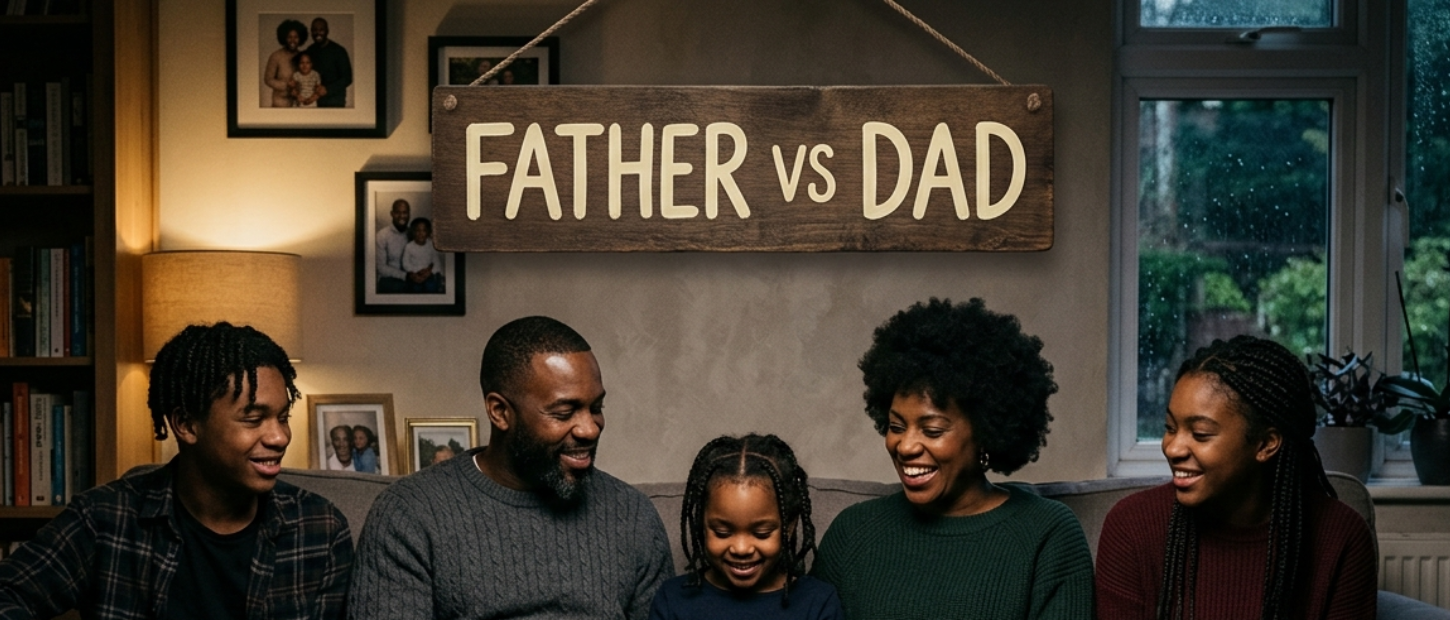
As the world celebrated Father’s Day yesterday, millions of messages flooded social media celebrating the men who raised us, guided us, and shaped our lives. But beyond the pictures, gifts, and heartfelt tributes is a question worth asking: what truly makes someone a father?
Is it simply sharing a child’s DNA, or is it the everyday commitment to love, protect, teach, and show up?
The words father and dad are often used interchangeably, but they carry different meanings for many people. A father is traditionally the biological parent; the man responsible for bringing a child into the world. A dad, however, is often the man who chooses to be present in that child’s world.
A dad is the one who stays up worrying when a child is sick. The one who offers advice during difficult moments. The one who celebrates small victories, teaches life lessons, and provides support even when nobody is watching.
Unfortunately, society sometimes places too much emphasis on the title of “father” while ignoring the actions that come with it. Being a parent is not only about providing financially or carrying a family name; it is also about emotional availability, consistency, and building a relationship.
This does not mean biological fathers cannot also be amazing dads — many are. In fact, the best fathers are those who combine both roles: they provide life and actively participate in shaping it.
Father’s Day should not only be a celebration of men who have children, but also a reminder that fatherhood is a responsibility. It is about showing up, making sacrifices, and leaving a positive impact on a child’s life.
Because at the end of the day, children may remember who their father was — but they will never forget who truly acted like a dad.
A father gives you a beginning; a dad helps you find your way.
