

Let’s be honest, YouTube didn’t really “surprise” anyone with its Nigeria End-of-Year 2025 List. What it did was validate something Nigerian creators have known for a while now: the internet has finally caught up with our hustle. Quietly, deliberately, and now officially.
One number alone says it all, over 70% of watch time on Nigerian content now comes from outside Nigeria. That means the stories we tell, the jokes we crack, the music we vibe to, and the faith we lean on are no longer just local conversations. They’re global. Nigeria isn’t exporting culture anymore, the world is already tuned in.
Nollywood Has Found Its Second Life (and It’s on YouTube)
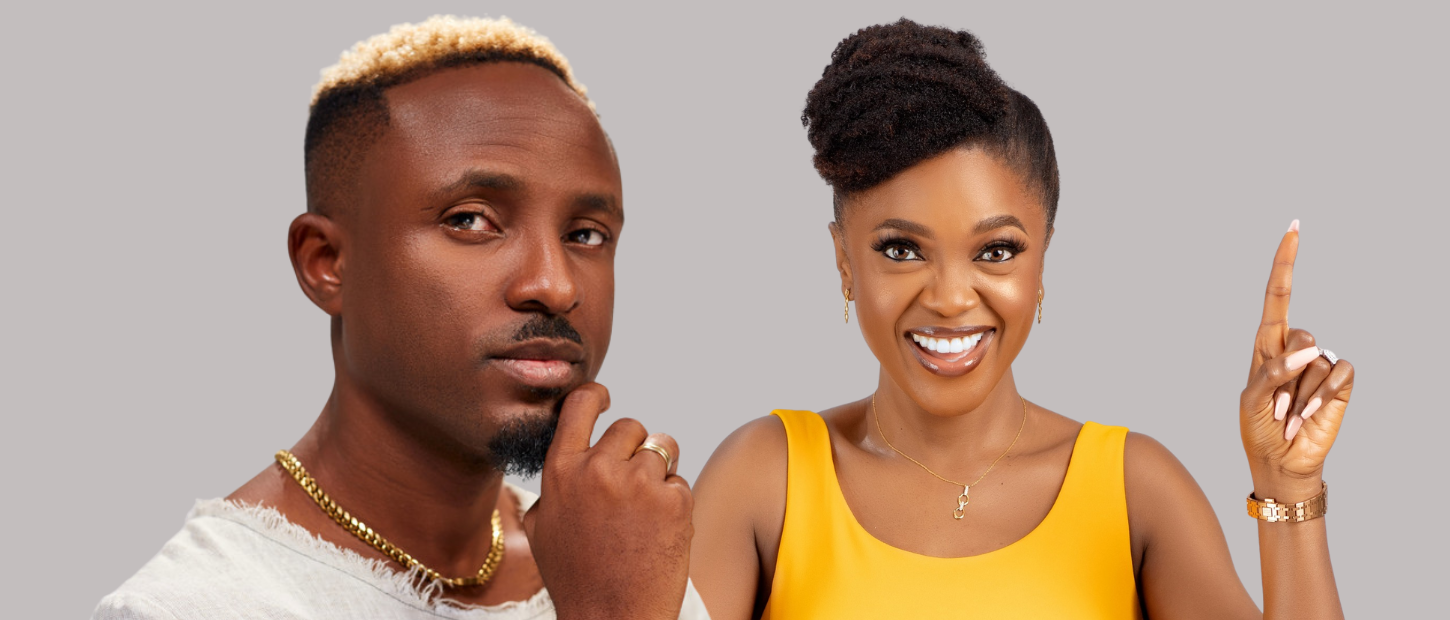
Seeing Omoni Oboli TV lead the creators’ list feels less like a flex and more like a confirmation. Nigerians never stopped loving long-form storytelling; we just stopped waiting for cinema queues and rigid TV schedules. YouTube has become Nollywood’s most democratic distributor, and creators who understand consistency, audience loyalty, and digital pacing are reaping the rewards.
And yes, this is more than vibes. YouTube reported a 35% increase in Nigerian channels earning over N1 million annually. That’s a serious shift, from “content creation is risky” to “content creation can actually pay rent.”
Nigeria’s Mood This Year? Faith, Reflection, and Street Vibes
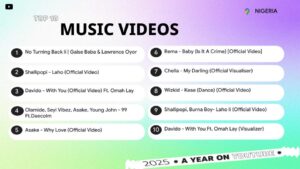
The most-watched Nigerian music video of the year wasn’t a club banger, it was “No Turning Back II” by Gaise Baba and Lawrence Oyor. That alone tells you where Nigerians really are mentally. Afrobeats is booming globally, but at home, people are craving reassurance, purpose, and grounding. It’s worship on Monday, nightlife on Friday, and both coexist perfectly.
Artists like Asake, Davido, Wizkid, Shallipopi, Rema, and Burna Boy still dominated attention, but gospel music quietly owned emotion. That balance feels very… Nigerian.
YouTube Recap Wasn’t Just Cute, It Was Clever
Then came YouTube Recap, flipping the script from “here’s what trended” to “here’s you.” Your viewing habits. Your personality. Your obsessions. It worked because people don’t just want to consume culture anymore, they want to see themselves inside it.
And it paid off. Engagement soared. Sharing spiked. YouTube didn’t just track Nigerian culture; it mirrored it back to us.
The Big Shift Nobody Is Talking About: TV Screens
Another key insight? Nigerians are watching YouTube on television screens again. Watch time on TVs grew by nearly 40%. Families are gathering. Living rooms matter again. The only difference is that YouTube, not traditional TV, now owns that space.
Here’s the Real Takeaway
This list wasn’t just data. It was a line in the sand. If you’re a Nigerian creator who understands storytelling, strategy, and audience trust, YouTube is no longer a gamble, it’s infrastructure. And YouTube itself is leaning all the way in, expanding creator education, monetization tools, and industry access.
At this point, the question isn’t whether Nigerian creators can win globally. They already are.
The real question is who’s ready to take the opportunity seriously, and who’s still playing around.
