

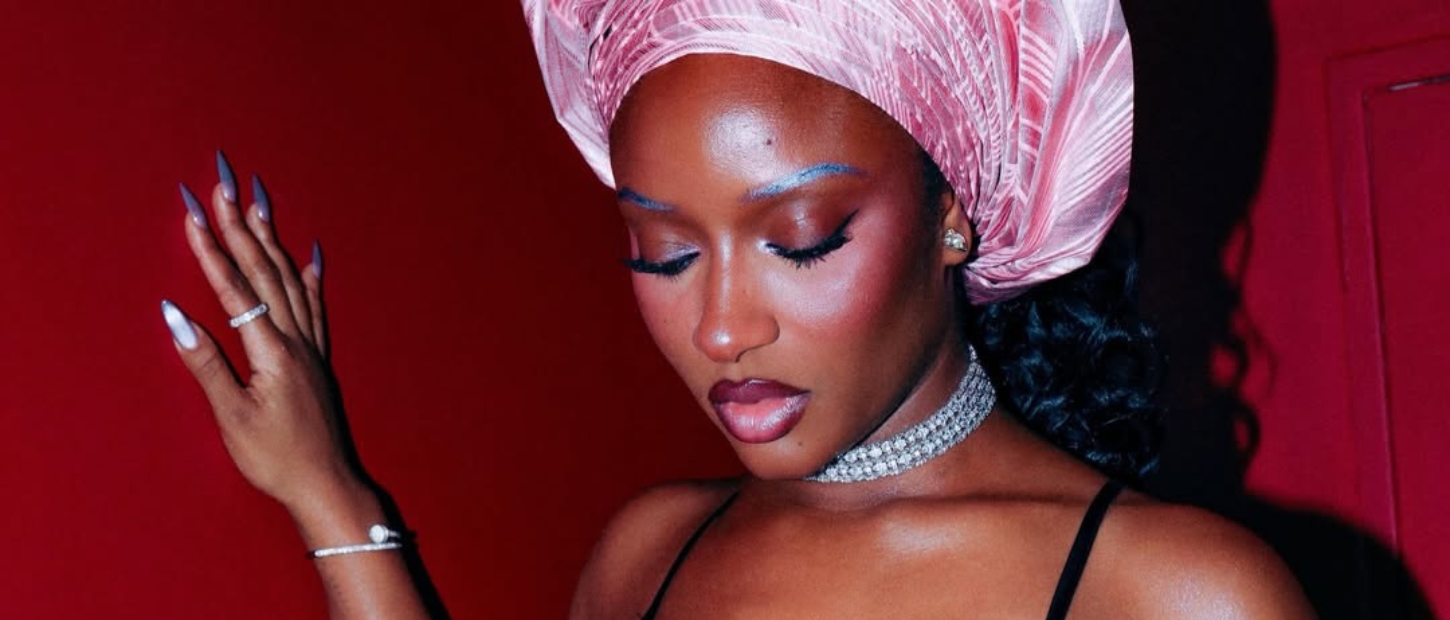
Nigerian singer Oyinkansola Sarah Aderibigbe, popularly known as Ayra Starr, is once again at the center of a heated online debate over her fashion choices after a TikTok video featuring her alongside Tiwa Savage went viral.
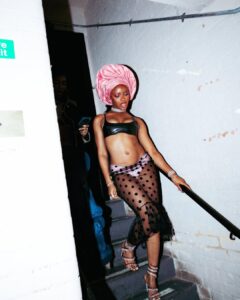
The clip showed the Mavin Records star in a black top, a sheer polka-dot skirt, and a pink gele, an outfit that quickly divided opinion across social media platforms.
As expected, the reactions came fast and loud. Some users questioned her stylist, while others openly criticized her appearance. Comments ranged from disappointment to outright frustration, with viral posts like “Ayra’s stylist don start again” and “Ayra Starr dressing always dey vex me” gaining traction and thousands of engagements.
But what began as another routine celebrity fashion debate quickly escalated when Ayra Starr responded directly in the comment section, refusing to back down.
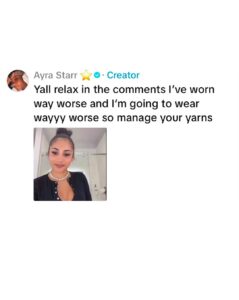
“Y’all relax in the comments I’ve worn way worse and I’m going to wear wayyy worse so manage your yarns,” she wrote, a statement that immediately reignited the conversation and split the internet even further.
For her supporters, the response was classic Ayra Starr, unapologetic, confident, and fully in control of her image. For critics, however, it was seen as a dismissal of public sentiment and a refusal to tone down her style despite ongoing backlash.
But this is far from the first time the singer has been dragged into this conversation.
In 2023, during an interview with Kiss FM in London, Ayra Starr addressed criticism over her dressing more directly, stating that she was not accountable to those policing her wardrobe.
“You are not my pastor, you are not Jesus, you are not my mother, so keep it to yourself,” she said at the time, a comment that sparked widespread debate about celebrity boundaries and public influence.
Later that same year, she again clashed with online critics after a concert in Stockholm, where a social media user attempted to advise her on her outfit choices. The singer responded sharply, dismissing the unsolicited criticism and making it clear that she was not dressing for those who disapproved of her style.

Over time, a pattern has emerged: every major appearance by Ayra Starr seems to trigger a new wave of commentary about her fashion. While critics argue that her outfits are increasingly revealing and inappropriate for a public figure, her supporters insist she is simply expressing herself in a global pop culture space where fashion is part of identity, not restriction.
The bigger conversation, however, goes beyond Ayra Starr herself.
It reflects a recurring tension in Nigerian entertainment, where young female artists are often subjected to intense scrutiny over appearance, while their male counterparts rarely face similar pressure. It also raises questions about cultural expectations, generational differences, and how African pop stars are judged both locally and globally.
At the heart of it all is a simple reality, Ayra Starr is not backing down.
Whether praised or criticized, she continues to position herself as an artist who dresses for expression, not approval. And with every new appearance, she seems less interested in calming the debate and more committed to defining her own rules in an industry that constantly tries to define her.
