

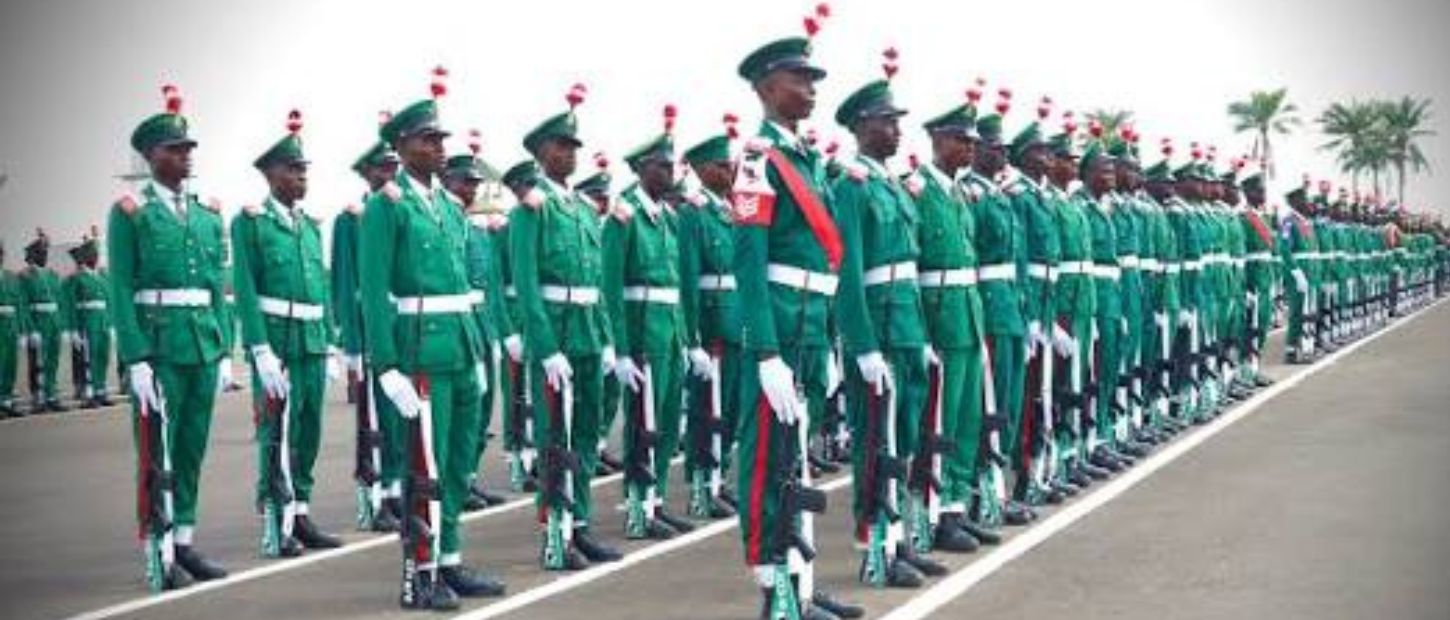
Nigeria’s Minister of Defence, Christopher Musa, has announced that the minimum monthly salary of Nigerian soldiers has increased from ₦49,000 to ₦100,000. On paper, that sounds like a major milestone. In reality, it raises a more uncomfortable question: Is doubling a soldier’s salary enough when the cost of defending the country continues to rise?

Acknowledging these concerns and increasing salaries is a welcome step. It signals that the government recognizes the sacrifices made by military personnel. But recognition alone does not solve the deeper issues affecting morale and operational effectiveness.
Interestingly, even Minister Musa admitted that the military remains underfunded. That admission is perhaps the most important part of his interview.
A soldier’s welfare is about far more than a paycheck. It includes modern equipment, quality healthcare, decent accommodation, insurance for families, timely allowances, mental health support, and confidence that the government will stand behind those who risk their lives daily. If funding remains inadequate, then salary increases alone cannot fix the broader challenges within the armed forces.
The minister also reignited debate by calling for the death penalty for convicted kidnappers. His argument is straightforward: tougher punishment could serve as a stronger deterrent against one of Nigeria’s most devastating crimes.
Many Nigerians will likely agree. Kidnapping has evolved into a thriving criminal enterprise that targets schoolchildren, commuters, farmers, and entire communities. Public frustration has reached levels where harsher penalties appear increasingly attractive.
Yet history suggests that punishment alone rarely eliminates crime. Effective policing, intelligence gathering, swift prosecution, secure borders, and improved economic opportunities all play significant roles in reducing criminal activity. Without strengthening these areas, even the harshest penalties may have limited impact.
Perhaps the most troubling revelation from Musa’s interview was his account of the recent abduction of pupils in Oyo State. According to the minister, the kidnappers are allegedly using the children as leverage to demand the release of detained commanders while threatening to kill them if security forces move in.
If accurate, it highlights just how sophisticated and desperate criminal networks have become. It also underscores the enormous pressure facing security agencies, who must balance swift action with the safety of innocent lives.
The minister also rejected claims that soldiers are poorly fed, insisting that viral allegations paint an inaccurate picture of military welfare. While misinformation certainly exists, public confidence is built through transparency. Rather than dismissing concerns outright, greater openness about military welfare standards could help address lingering doubts.
Ultimately, Minister Musa’s comments reveal both progress and persistent problems. Raising soldiers’ salaries deserves recognition, but it should be viewed as the beginning of broader reforms, not the finish line.
Nigeria asks extraordinary things of its armed forces. The country expects them to confront terrorists, rescue kidnap victims, secure communities, and defend national sovereignty, often under extremely difficult conditions. Meeting those expectations requires more than improved salaries. It demands sustained investment in welfare, equipment, training, intelligence, and institutional reforms.
The real measure of success will not be whether soldiers now earn ₦100,000 a month. It will be whether they have everything they need to carry out their mission safely, effectively, and with dignity.
