

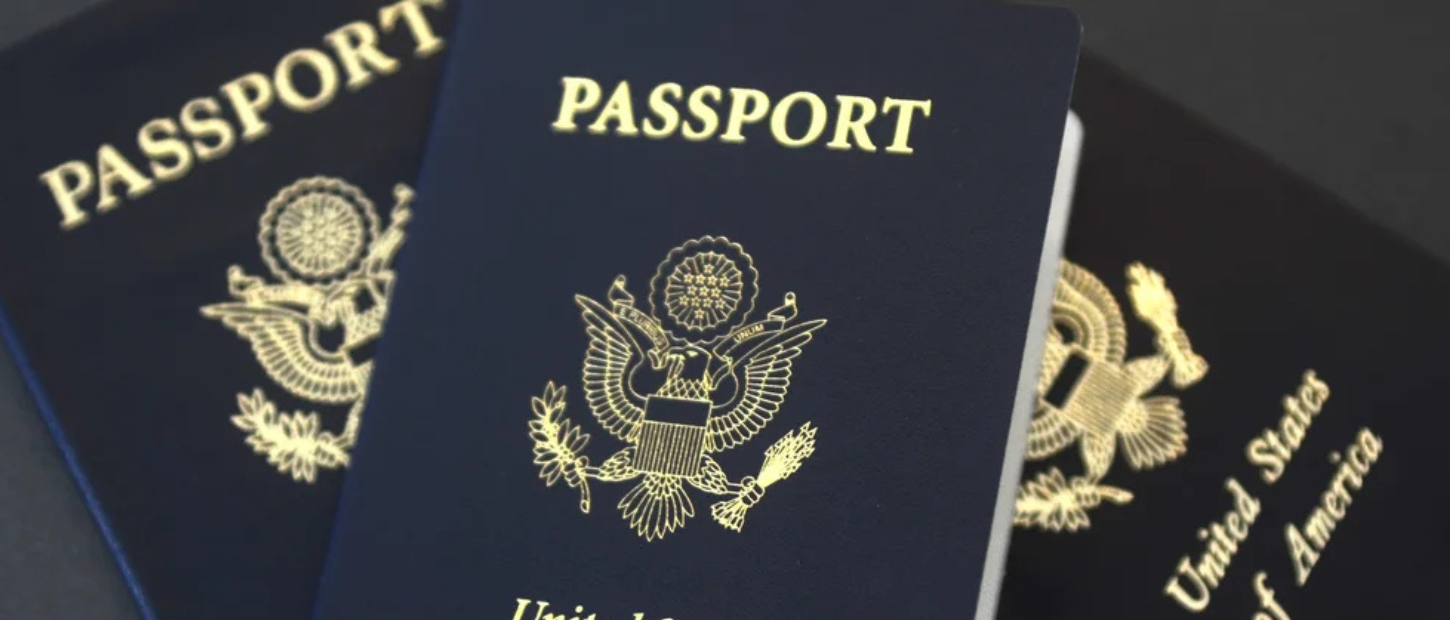
For generations, the idea that a child born on American soil automatically becomes American has been viewed as one of the country’s most powerful promises. But now, that promise has become the centre of a heated political battle, with President Donald Trump pushing to challenge a practice critics call a loophole: birth tourism.

The phenomenon sounds simple but carries complicated questions. Some expectant parents travel to the United States while pregnant, give birth there, and their child receives American citizenship under the country’s long-standing birthright citizenship principle.
To supporters of stricter immigration policies, it is a system being exploited. To critics, it is a dangerous attempt to redefine a constitutional right.
And somewhere between politics, privilege, and immigration lies the bigger question: what does citizenship really mean?
The phrase “birth tourism” has become popular in recent years to describe the practice of travelling to another country, particularly the United States, with the intention of giving birth and securing citizenship for a child.
For some families, the motivation is future opportunities, access to American education, easier travel, and the possibility of building a life in the U.S. later.
Supporters of the practice argue that families are simply using a legal system that has existed for more than a century.
But opponents see something different: a system where wealthier foreigners can potentially gain access to a benefit that others spend years trying to obtain.
Trump has made immigration reform one of the defining issues of his political career, and birthright citizenship has repeatedly appeared in that conversation.
His administration has argued that the U.S. immigration system should not be used as a pathway for people who enter the country mainly to give birth.
The argument is straightforward: a tourist visa is meant for visiting, not for securing citizenship.
But the issue becomes complicated when it reaches the Constitution.
The 14th Amendment has long been interpreted to grant citizenship to most people born in the United States.
Changing that interpretation is not just a policy decision; it raises a constitutional battle.
Critics argue that limiting birthright citizenship could create a generation of children caught in legal uncertainty.
Supporters argue that the original intention of citizenship laws is being stretched beyond what was intended.
Beyond Trump, borders, and immigration politics, the birth tourism debate exposes a deeper global reality: an American passport remains one of the most valuable documents in the world.
For many people, being born in the U.S. is seen as a doorway to opportunities that may not exist elsewhere.
But for others, it raises concerns about fairness, whether citizenship should be inherited by circumstance alone or whether countries should have more control over who receives it.
The battle over birth tourism is not simply about babies being born. It is about identity, access, privilege, and the future definition of belonging.
As Trump pushes for change, America is being forced to confront an uncomfortable question:
Is birthright citizenship a promise that must be protected, or a system that has been taken advantage of?
