

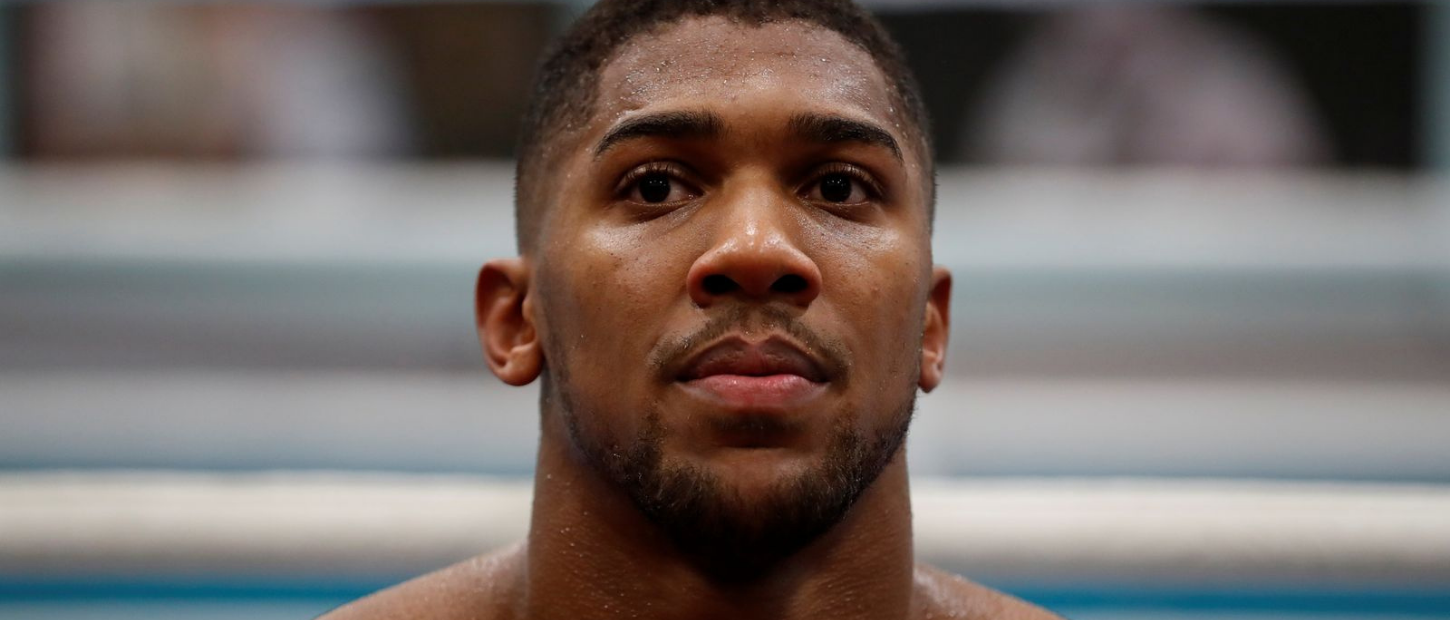
Something felt different when the news broke about Anthony Joshua’s car crash in Nigeria, and what came after. It wasn’t just that the former two-time world heavyweight champion survived a terrifying collision on the Lagos-Ibadan Expressway. It was who didn’t come out with him, two of his closest friends and team members, Sina Ghami and Latif “Latz” Ayodele, both of whom died in the accident.
For the first time in a long while, Joshua’s future in boxing didn’t feel like a matter of skill or strategy, it felt like a matter of the heart.
Now comes the part that’s shaking the sports world, according to his uncle, Anthony Joshua has retired from boxing following the tragedy, a decision Joshua reportedly communicated privately to his family. It’s not yet an official press release from his camp or promoter, but when someone so closely tied to his life describes the decision in such final terms, you can’t just brush it off as rumor.
Let’s explore why this retirement, whether temporary or permanent, makes sense on a human level, even if it defies the usual “athlete retirement” stories we’re used to.
1. This Is Not Your Typical Athletic Retirement
Most fighters walk away because their bodies are worn, or victories become scarce, or the next big fight isn’t worth the risk. Joshua, at 36, still has physical assets most boxers envy. He even scored a major win over Jake Paul in December 2025. On paper, he seemed poised for another chapter in the ring. But this wasn’t about boxing performance. It was about trauma.
Imagine being in a vehicle moments before it crashes, and two people who trained you, fought for you, and shared your journey die instantly beside you. You walk away with minor physical injuries, yes, but what happens to the psyche? To your motivation? To the meaning you attach to the sport you’ve built your identity around? That’s not something doctors measure in X-rays. That’s something only the heart knows.
2. Boxing Is Mental Before It’s Physical
Boxing isn’t like tennis or golf, where losing a coach might hurt but won’t derail your entire career. In boxing, your trainer, strength coach, conditioning coach, they are your fortress. They are the people who push you through the darkest camps, who see you at your weakest, who speak into your purpose when you’re ready to quit.
Sina and Latz weren’t just team members. They were part of Joshua’s inner circle, the people who understood his rhythm, his fears, his makeup. Losing them so suddenly isn’t just loss. It’s devastating.
And that’s why retirement after such a moment makes emotional sense. Joshua isn’t retiring because he’s lost skill. He’s retiring because the people who made that skill meaningful are gone.
3. Family Pressure and Emotional Toll
Sources close to Joshua’s family also indicate that relatives had already been weary of the emotional rollercoaster his career brought, especially when he fought. Each fight was a source of anxiety, with loved ones watching every punch with bated breath. They feel relief not because they don’t believe in his talent, but because they’ve watched fear and trauma trail each of his matches.
Now, after a real brush with mortality, emotional priorities shift. Life becomes bigger than belts and big checks.
4. What His Retirement Says About Us
There’s a lesson here far beyond boxing, no sport, no medal, no fortune is worth a life lived in grief.
The idea that athletes should compete no matter what their heart has endured is a romantic myth, one that often ignores the humanity behind the gloves. Joshua’s decision, as described by his family, is a reminder that men can grieve loudly and still be strong. Strength isn’t only measured by how many punches you land, it’s measured by how you choose life after loss.
READ ALSO: Anthony Joshua May Quit Boxing After Nigeria Tragedy, When Life Becomes Bigger Than the Ring
Final Thought: A Champion Beyond the Ring
If Anthony Joshua’s retirement is real, then it’s not an end, it’s a transformation. A fighter once defined by his fists may now be defined by his heart, his choices, and his legacy beyond boxing.
He walked into that ring for glory. Now he’s walking away for peace. And frankly, that might be the hardest, and most courageous, fight of all.
