

There was a time when Formula 1 was about one thing: the race.
The cars, the drivers, the speed, and the battle for the finish line were the centre of attention. But Monaco has always played by different rules. It is not just a Grand Prix. It is a global stage where sport, luxury, celebrity, and image collide.
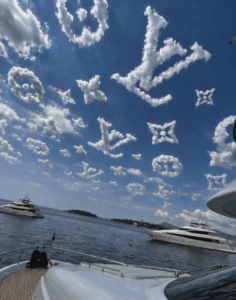
That is why conversations around Louis Vuitton’s presence at Monaco Grand Prix weekend have gone beyond traditional sponsorship. From dominating the visual landscape to creating luxury experiences across the harbour and coastline, the brand has become part of the atmosphere itself.
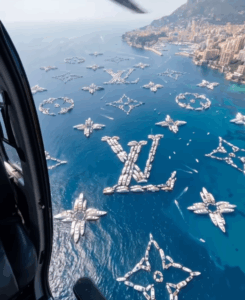
And that raises a bigger question: when does branding stop supporting the spectacle and start becoming the spectacle?
Modern Formula 1 has transformed into something much larger than motorsport. The sport now exists at the intersection of entertainment, fashion, and lifestyle. The paddock is no longer just a place for teams and engineers. It has become a world of celebrities, luxury houses, exclusive events, and carefully designed moments made for global attention.
Monaco is the perfect environment for this evolution.
The yachts, the private jets, the glamorous settings, and the historic streets already create a world that feels almost unreal. So when a luxury brand creates a moment powerful enough to dominate conversations, it fits naturally into the Monaco experience.
The interesting part is not just the branding itself. It is how quickly people accept the possibility of a brand controlling even the environment around them.
A yacht becomes more than a yacht.
The sky becomes more than the sky.
A race weekend becomes more than a race.
Everything becomes part of the story.
This is the power of modern luxury marketing. The goal is no longer simply to place a logo in front of people. The goal is to create a moment people remember, photograph, debate, and share.
Some argue this is the natural evolution of Formula 1. The sport has always been expensive, exclusive, and visually driven. Luxury partnerships simply reflect what Formula 1 has always represented.
Others worry that the racing itself risks becoming secondary, with the spectacle around the track becoming more important than what happens on it.
The truth is somewhere in the middle.
Formula 1 is not losing its identity. It is expanding it. It is becoming part sport, part entertainment, and part luxury experience.
So when Louis Vuitton takes over conversations around Monaco Grand Prix weekend, it is not just a branding success. It is a sign of where the sport is heading.
The next major competition in Formula 1 may not only be about who wins on the track, but who owns the moment beyond it.
