

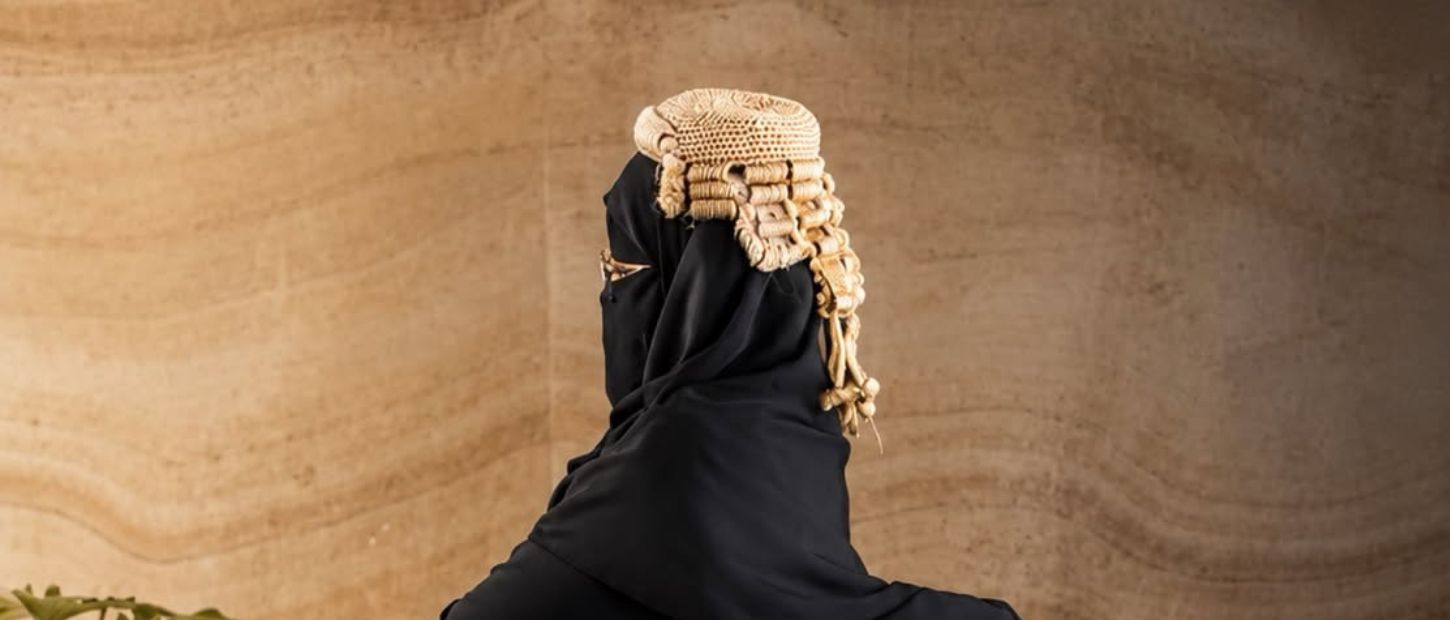
When Barrister Rodiyah Omotoyosi Mikhail stepped forward to be called to the Nigerian Bar, she did more than earn a professional title. She sparked a national conversation.
Clad in her legal attire while wearing a niqab that revealed only her eyes, Rodiyah became one of the most talked-about new lawyers in the country. Across social media, many celebrated her as the first known niqab-wearing lawyer to be called to the Nigerian Bar, while others questioned whether such a form of religious expression belongs in the legal profession.
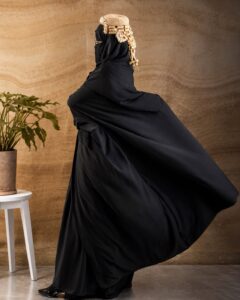
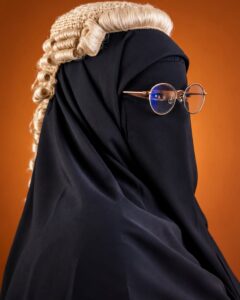
But beneath the debates, hashtags and viral photographs lies a more important story—one about identity, inclusion and the evolving face of professionalism in Nigeria.
It is easy to reduce Rodiyah’s achievement to a viral moment. Yet doing so overlooks the years of study, examinations and rigorous training required to qualify as a lawyer in Nigeria. Like every other person called to the Bar, she completed the demanding academic and professional journey expected of members of the legal profession. Her success was earned through discipline, resilience and determination.
Her achievement also comes against the backdrop of years of conversations about religious accommodation within Nigeria’s legal system. In 2017, Amasa Firdaus Abdulsalam made national headlines after she was denied entry into the Call to Bar ceremony because she insisted on wearing a hijab instead of a wig. The controversy sparked widespread debate and eventually contributed to greater accommodation for Muslim women during law-related ceremonies.
Rodiyah’s appearance in a niqab now represents another chapter in that evolving conversation. While the hijab has become more widely accepted in professional spaces, the niqab continues to generate questions and differing opinions. Yet her call to the Bar demonstrates that visible expressions of faith and professional excellence do not have to exist in opposition to one another.
In many parts of the world, visibly religious women often face assumptions about their ambitions, competence or willingness to pursue demanding careers. Stories like Rodiyah’s quietly challenge those stereotypes. They remind society that commitment to one’s faith does not diminish intelligence, discipline or professional capability.
For many young Muslim women, particularly those who wear the hijab or niqab, seeing someone reach one of the country’s most respected professional milestones without compromising her beliefs can be deeply encouraging. Representation may not solve every challenge, but it has the power to expand what others believe is possible.
Perhaps the conversation should spend less time on what Rodiyah wore and more time on what she achieved. Nigeria’s legal profession needs lawyers defined by integrity, competence and service. Ultimately, those are the qualities that determine the value of a legal practitioner—not assumptions based on appearance.
Nigeria is home to people of different cultures, traditions and religions. As society continues to evolve, institutions will inevitably face questions about how to balance professional standards with constitutional rights and religious expression. These conversations are not always easy, but they are necessary in a diverse democracy.
Whether one agrees with the niqab or not, Barrister Rodiyah Omotoyosi Mikhail has become part of a larger story about inclusion, perseverance and the freedom to pursue excellence without abandoning one’s identity. Long after the social media conversations fade, that may prove to be the true significance of her historic call to the Bar.
