
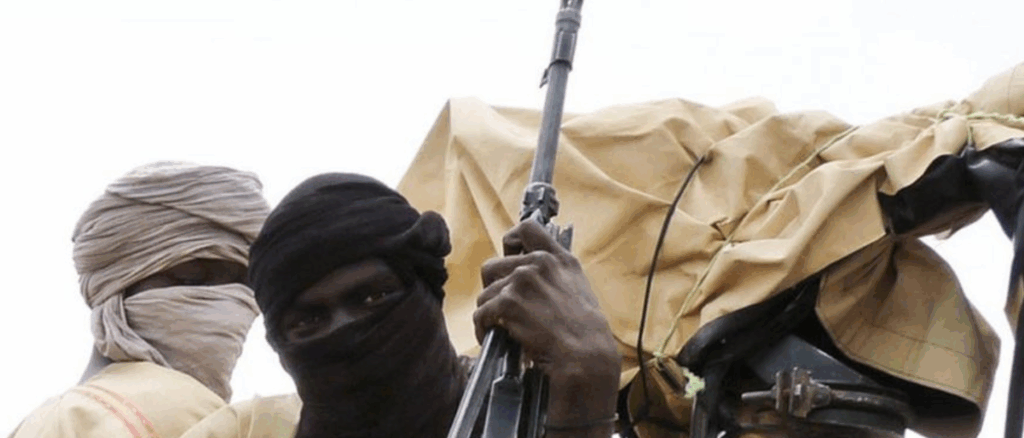
When people hear the words “repentant bandit,” the first reaction is often anger. It is difficult to talk about forgiveness when communities have lost loved ones, homes have been destroyed, and families have lived under the fear of attacks.
This is the difficult reality surrounding Benue State’s conversation about rehabilitating and reintegrating former bandits.
The Benue State Government has proposed a Disarmament, Demobilization and Reintegration (DDR) center aimed at rehabilitating individuals linked to bandit groups who are willing to abandon criminal activities. Officials say the programme is focused on people who were forced, recruited, or pulled into criminal networks, including those who served as foot soldiers and support workers rather than masterminds.
But the question many Nigerians are asking is simple: after the damage has been done, how do you bring these people back into society?
Because reintegration sounds easier on paper than it feels in real life.
A farmer whose land was attacked, a family that lost someone, or a community that was displaced may struggle to accept that someone once connected to violence can return and live among them again. The trauma left behind does not disappear simply because someone claims to have changed.
This is where the government faces its biggest challenge. Reintegration cannot mean forgetting. It cannot mean victims are expected to move on while former criminals receive support without accountability.
At the same time, ignoring the possibility of rehabilitation creates another problem. Many criminal networks survive because they continue to recruit vulnerable young people. Some individuals enter these groups through fear, poverty, coercion, or lack of alternatives. Breaking that cycle requires more than military operations alone.
A successful reintegration process must answer important questions.
Who qualifies for rehabilitation?
Who faces prosecution?
How are victims involved in the process?
How does government guarantee that those who return to society do not return to crime?
The idea behind DDR programmes is not unique to Nigeria. Countries dealing with insurgency and armed groups have often used structured programmes that combine accountability, counselling, skills training, and community rebuilding. Nigeria has also implemented similar approaches for some former insurgents and militants.
But Nigeria’s situation is sensitive because public trust is already damaged.
For communities that have suffered years of insecurity, justice must remain at the center of any peace plan. Rehabilitation should not become a shortcut around consequences.
The goal should not simply be to change the lives of former bandits. It should also be to restore the confidence of the victims who have carried the burden of their actions.
Because a society cannot truly heal if the people who suffered feel forgotten.
Benue’s debate is bigger than bandits. It is about what kind of country Nigeria wants to become after conflict: one that only punishes, one that only forgives, or one that finds a difficult balance between justice and rebuilding.