
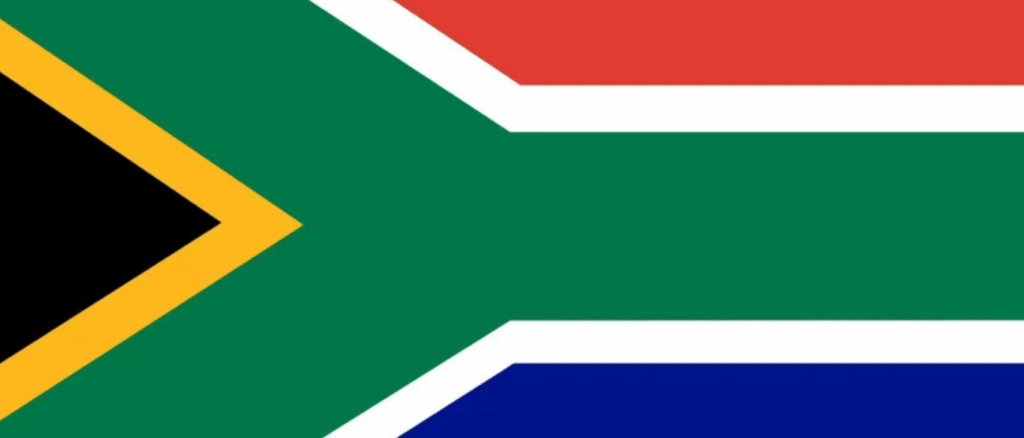
For years, South Africa has been at the center of a difficult conversation about its relationship with the rest of Africa. A country that once represented hope, resilience, and liberation has increasingly found itself battling criticism over repeated xenophobic tensions involving African migrants.
Many foreign nationals from countries such as Nigeria, Zimbabwe, Mozambique, Somalia, and others moved to South Africa in search of better opportunities. They came as entrepreneurs, workers, traders, and investors, building businesses and creating networks that connected different parts of the continent.
But over time, accusations that immigrants were taking jobs, dominating businesses, and contributing to unemployment fueled resentment in some communities. This led to violent attacks, protests, and calls for foreigners to leave.
Now, a difficult question is being asked: what happens when a country pushes away people who were also contributing to its economy?
In some areas, foreign-owned businesses became a major part of everyday life. Small shops, restaurants, salons, clothing stores, and informal businesses run by migrants provided goods, services, and employment opportunities. When many of these businesses shut down or relocated due to safety concerns, the effects were felt beyond the business owners themselves.
Some local business operators have complained about reduced customer activity, while communities have experienced changes in the availability of certain services. What was once a busy exchange of trade and culture has, in some places, become quieter.
The issue has also affected South Africa’s image across the continent.
Many Africans remember the support South Africa received during its own struggle against apartheid, when countries across Africa stood in solidarity. The expectation from many was that this shared history would create stronger bonds between nations.
However, repeated xenophobic incidents have damaged that goodwill.
This conversation resurfaced during global sporting moments, including the FIFA World Cup, where some African supporters openly celebrated Morocco’s success instead of rallying behind South Africa. For many observers, it became a symbol of a deeper issue: the growing emotional distance between South Africa and other African nations.
But beyond football and public reactions lies a bigger economic reality.
Africa’s economies are deeply connected. People move across borders, create businesses, share skills, and build communities. Migration is not only about people seeking opportunities; it is also about the exchange of ideas, investments, and culture.
The question is not whether South Africa has legitimate challenges. Unemployment, inequality, and poverty remain serious issues that need attention. But blaming migrants for every economic struggle risks ignoring the larger structural problems.
The bigger conversation should be about how African countries can work together to create opportunities for everyone, rather than turning neighbors into enemies.
Because at the end of the day, a continent cannot grow if its people are constantly fighting each other.
South Africa’s story raises a question bigger than one country: when a nation closes its doors to its neighbors, does it also close the door to its own growth?