

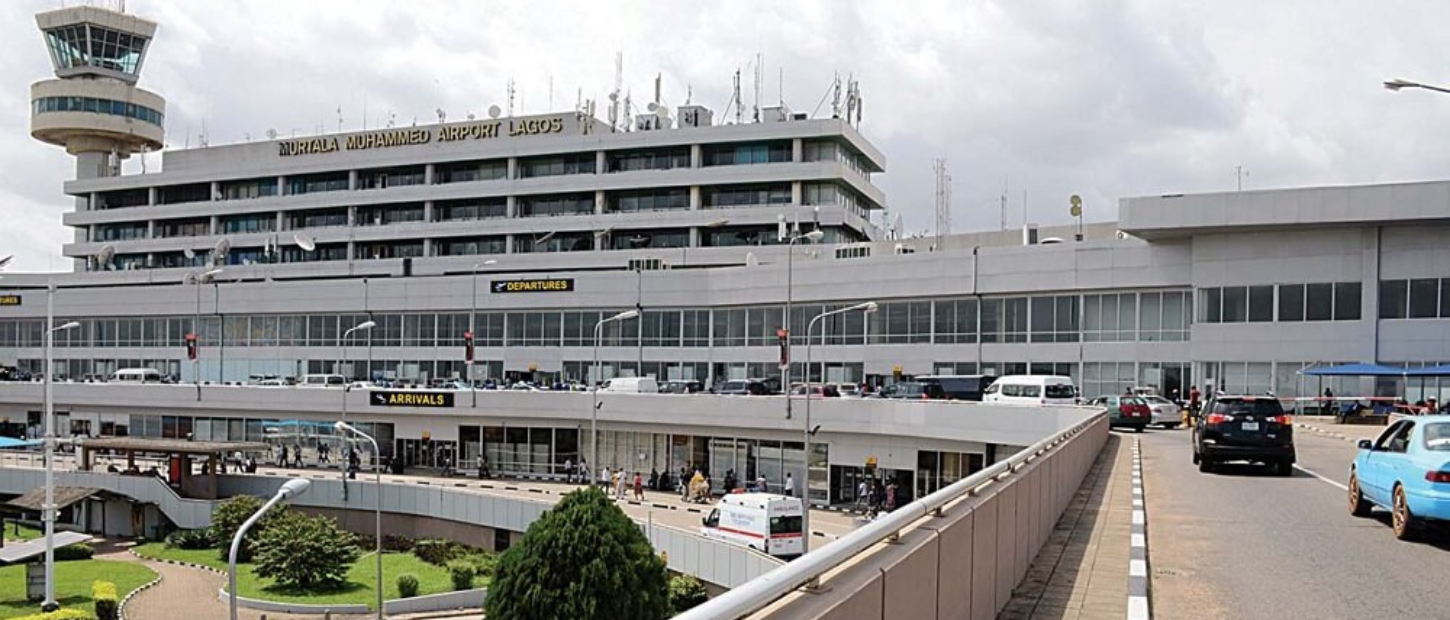
If there’s one place where “manage it like that” should never apply, it’s aviation.
Yet, looking at the current state of Nigeria’s airspace surveillance, it feels like we’re dangerously close to doing just that. The TRACON radar system, installed between 2008 and 2010, has clearly overstayed its welcome. It has exceeded its operational lifespan, lacks spare parts, and doesn’t even have reliable backup. And somehow, we’re still depending on it.
That should worry all of us.
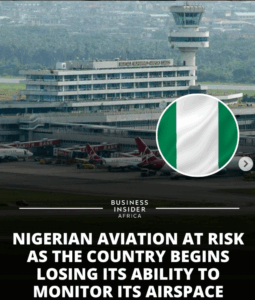
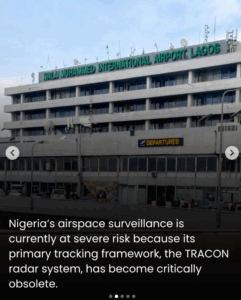
According to reports shared by @businessinsiderssa on Instagram, the situation is more fragile than many people realize. The radar infrastructure that should guarantee safe and efficient air navigation is now operating under strain, with aging equipment and limited support systems.
Airspace surveillance isn’t a luxury, it’s the backbone of aviation safety. It’s what ensures that aircraft are properly monitored, guided, and kept at safe distances from one another. When that system starts to fail, the risks don’t just increase, they multiply.
What makes this situation even more frustrating is that it’s not entirely unexpected. Systems age. Technology evolves. Maintenance and upgrades are part of the lifecycle. But when a reported 30% budget cut from the Federal Government enters the picture, it sends a clear message about priorities. And unfortunately, aviation safety doesn’t seem to be getting the urgency it deserves.
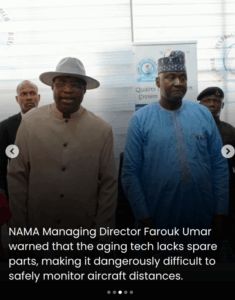
According to @businessinsiderssa, these funding challenges have significantly slowed down efforts to upgrade or replace outdated systems like TRACON. Without proper investment, even routine maintenance becomes a struggle, leaving critical infrastructure exposed.
Then there’s the issue of revenue. Air navigation charges, which should ideally support the sustainability of these systems, are outdated. Attempts to revise them have been met with resistance, which is understandable from a business standpoint, but dangerous from a safety perspective.
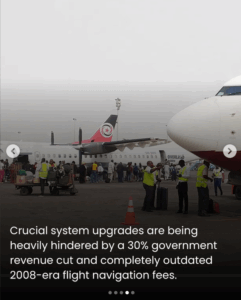
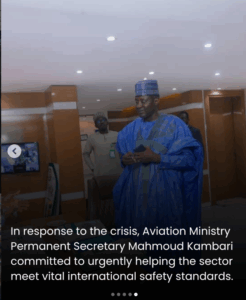
As further highlighted by @businessinsiderssa, the inability to successfully adjust these charges continues to affect the long-term sustainability of Nigeria’s airspace management systems.
And if the system isn’t funded, it won’t function.
And if it doesn’t function, we all know what’s at stake.
This isn’t about panic, it’s about prevention. Nigeria’s aviation industry has grown significantly over the years, with increasing passenger traffic and more complex airspace demands. But growth without infrastructure is a ticking time bomb.
At some point, we have to ask ourselves: are we waiting for a failure before we act?
Because history has shown, in aviation and beyond, that delayed action often comes at a cost far greater than proactive investment.
This is one of those moments where the country needs to choose between reacting to a crisis or preventing one. And for something as critical as airspace safety, the answer should be obvious.
