

In a country where religion and spirituality often sit side by side in quiet contradiction, Saheed Osupa has done what many public figures avoid. He said the quiet part out loud.
And as expected, Nigeria is talking.
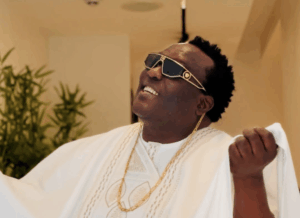

During a live performance at the 52nd birthday celebration of veteran actor Fatai Odua (Lalude) on March 30, 2026, the Fuji star did more than entertain. He stirred a conversation that has now moved far beyond the stage.
In a now viral moment, Osupa was seen correcting his backup singers, who were struggling to keep up with his flow. But instead of the usual musical direction, he jokingly, or perhaps seriously, advised them to resort to voodoo to improve their performance and memory.
That moment alone would have been enough to trend. But Osupa did not stop there.
He went further.
According to him, he has no reason to deny engaging in what many call juju. In his words, he is not harming anyone. He is simply doing what he believes helps him progress in life.
He openly spoke about paying homage to Ifa and questioned the idea that success could come from conventional means alone, sarcastically asking if common medication like Panadol could bring wealth and comfort.
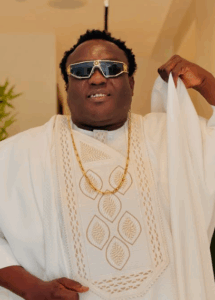

Then came the statement that truly set social media on fire.
He said that everybody practises juju and that while some hide it, he chooses to be open about his own.
That line struck a nerve.
Because whether people agree or not, it challenges a deeply rooted contradiction in society. Many people quietly blend faith with traditional practices but publicly deny it.
Not everyone found Osupa’s honesty refreshing.
The backlash was immediate and intense.
Several Islamic clerics and commentators, especially on TikTok, quickly distanced themselves from his claims. One cleric advised the singer to return to God, insisting that his success had nothing to do with Ifa or any form of juju.
Another critic argued that Osupa was never as religious as people assumed, pointing out that his involvement in music already places him in a controversial position within Islamic teachings.
Others took an even stronger stance, suggesting that his comments showed a lack of respect for religious values.
Despite the criticism, Osupa has not backed down.
In his response, he made it clear that he has never disrespected any religion. He acknowledged both Jesus Christ and Prophet Muhammad as divine figures, while also calling out what he described as eye service. He suggested that many people only appear religious in public but live differently in private.
In essence, Osupa is not rejecting religion. He is questioning how people practise it.
Whether intentional or not, his comments have opened up a conversation that many people would rather avoid.
His statements touch on a reality that exists across different parts of Nigerian society. From entertainment to business and everyday life, the relationship between faith, culture, and traditional beliefs is often more complex than it appears.
The real issue may not just be what Osupa said, but why it made so many people uncomfortable.
Is it because he is wrong, or because he said it publicly?
For now, Saheed Osupa has once again shown that his influence goes beyond music. He has sparked a debate that is unlikely to fade anytime soon.
And as reactions continue to pour in, one thing remains clear.
This conversation is no longer just about juju. It is about belief, honesty, and the things people choose to hide.