
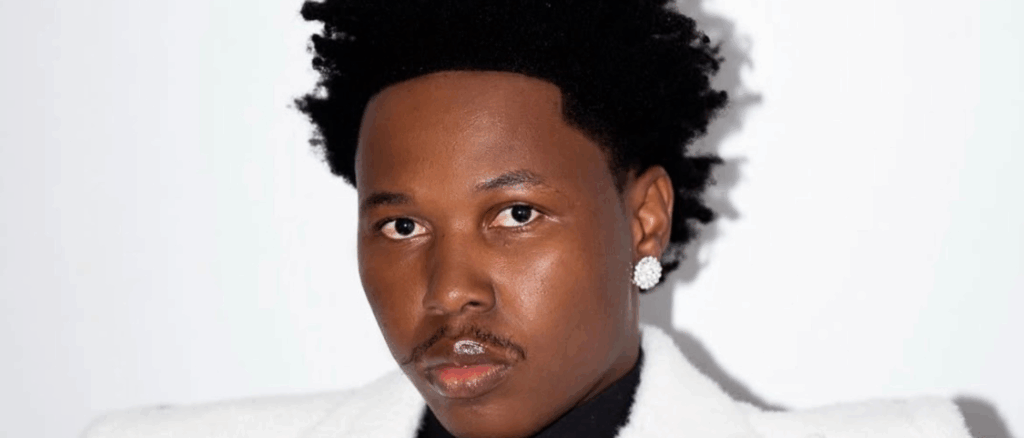
In an era where social media constantly glorifies overnight success, Nigerian singer Shoday has said something surprisingly simple and surprisingly honest.
“If music doesn’t work, I will carry my files and go back to office work.”
That statement may not sound groundbreaking, but in today’s entertainment culture, it feels almost rebellious.
The fast-rising artiste, whose real name is Segun Shodade, recently explained why he has chosen not to get tattoos. According to him, the decision is tied to his practical outlook on life and his understanding that the music industry can be unpredictable.
“I don’t have a tattoo on my body because I am skeptical. If music doesn’t work, I will carry my files and go back to office work,” he said.
At first glance, the comment appears to be about tattoos. But beneath it lies a much bigger conversation about ambition, identity, and the pressure young people face to fully commit themselves to a dream, regardless of the risks.
For years, society has romanticized the idea of having no backup plan. We celebrate stories of people who quit their jobs, burned bridges, and chased their dreams with nothing to fall back on. While those stories can be inspiring, they often ignore an important truth: not every dream works out exactly as planned.
The music industry is one of the most unpredictable professions in the world. Talent does not always guarantee success. Viral moments fade. Trends change. Audiences move on. Even some of the industry’s biggest stars have spoken openly about the challenges of maintaining relevance.
Against that backdrop, Shoday’s comment feels less like doubt and more like wisdom.
There is a tendency to assume that having a Plan B means you do not believe in Plan A. In reality, it can mean the opposite. It can mean you understand the risks and are prepared for them.
His remarks also challenge another stereotype within the entertainment industry: the idea that artists must look or behave a certain way to be accepted.
Tattoos have become common among celebrities, athletes, and musicians worldwide. There is absolutely nothing wrong with that. However, there is also nothing wrong with choosing not to have them.
What makes Shoday’s perspective interesting is that he appears comfortable making personal choices without feeling pressured to fit a particular image.
That confidence is increasingly rare.
Many young artists feel compelled to adopt trends, aesthetics, or lifestyles because they believe success requires conformity. Yet some of the most respected entertainers are those who build careers on authenticity rather than imitation.
Perhaps that is why Shoday’s statement resonates beyond music.
At a time when many young Nigerians are navigating economic uncertainty, career challenges, and societal expectations, his words serve as a reminder that ambition and practicality can coexist.
You can chase a dream while still preparing for life’s uncertainties.
You can believe in your talent while acknowledging reality.
And you can pursue success without feeling obligated to become someone else in the process.
Whether Shoday eventually spends decades in music or never has to touch those office files again is beside the point.
The real lesson is that there should be no shame in having a backup plan. In a country where opportunities can be unpredictable, that may not be skepticism at all.
It may simply be common sense.