
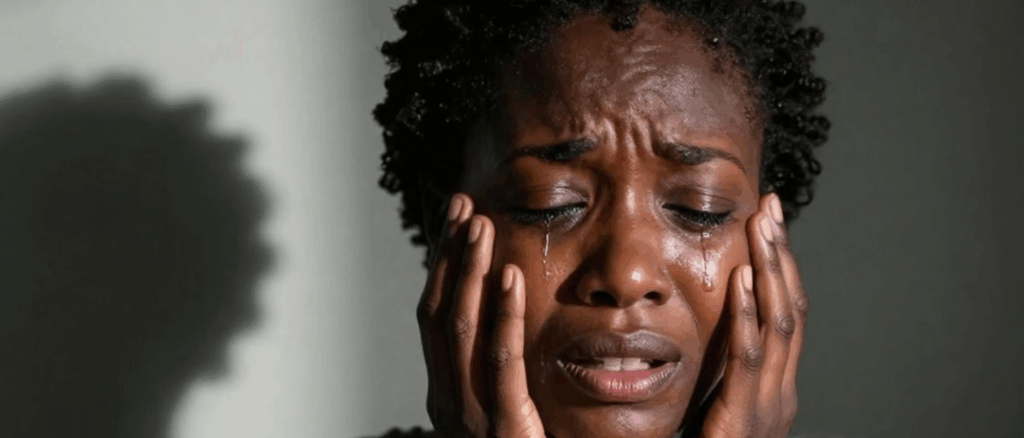
Domestic abuse doesn’t always show up with black eyes or broken bones. Sometimes, it sounds like “I’m sorry, I was angry,” after a storm of insults. Sometimes, it looks like control masked as care, jealousy dressed up as love, or silence used as punishment. And too often, it hides in relationships and marriages that look perfect from the outside.
And while women are often the most visible victims, it is important to say this plainly. Men get abused too. Men also fall victim to the wrong partners. Men are also battered, manipulated, humiliated, and emotionally broken by the people they love. The difference is that many men suffer in silence, because society has convinced them that speaking up makes them weak.
We have seen real life examples across different spaces. Women who later spoke about years of emotional and physical abuse after leaving high profile marriages. Men who endured violence, verbal degradation, and psychological manipulation from their partners but stayed quiet to protect their pride, their image, or their families. Some were slapped, hit, or threatened. Others were constantly insulted, controlled, or stripped of confidence by partners who knew exactly where to hit, not with fists, but with words.
Let’s be clear. Abuse is not gender specific. It is not a mistake, a phase, or a sign of love. It is a pattern.
Domestic abuse doesn’t end when the argument ends. Its damage is long term and far reaching.
It erodes self worth. Victims begin to doubt their reality, their judgment, even their sanity. Many stay because they no longer trust themselves to survive alone.
For men, the damage often cuts deeper into ego and identity. Being abused by a partner, especially in a society that expects men to be strong and in control, can leave deep shame. Many men stay because they fear ridicule, disbelief, or being labeled weak.
Mental health suffers across the board. Anxiety, depression, panic attacks, emotional numbness, and suppressed anger are common outcomes for both women and men.
Children are affected too, even when they are not directly involved. They watch, they listen, and they learn. Growing up around abuse normalizes fear, control, and unhealthy ideas of love.
Abuse also escalates. What starts as verbal or emotional abuse can become physical violence. Waiting for it to get better is a dangerous gamble.
And perhaps the most painful cost is lost time. Years spent shrinking yourself to keep someone else comfortable.
If this feels uncomfortably familiar, know this. You are not weak, foolish, or dramatic. Abuse is designed to trap.
Whether you are a woman afraid of physical harm or a man quietly enduring emotional or physical abuse, your experience is valid.
Leaving is rarely a single decision. It is a process. Start safely and quietly. Confide in someone you trust. Build a support system, even if it is small.
Seek professional help where possible. Therapy, legal advice, support groups, or organizations that help people exit abusive situations safely can make a difference. You do not need to have everything figured out before you leave. You only need a first step.
Do not let apologies blur your reality. Real change is shown through consistent action over time, not emotional reactions after harm has already been done.
Leaving an abusive relationship is not a failure. It is courage in its rawest form.
If you are a woman who chose safety over silence, or a man who chose peace over pride, you did the right thing.
Even if you walked away with nothing but yourself, you walked away with your future. Healing will not be linear. Some days will feel light and freeing. Others will be heavy with grief for what you hoped the relationship could become. That is normal.
Be patient with yourself. Rebuild your confidence. Reclaim your voice. Learn what peace feels like again.
You were never too much. You were simply with someone who wanted control, not love.
Love should feel safe. Marriage should not feel like a battlefield.
Abuse has no gender, and silence protects no one but the abuser.
Speaking up matters. Leaving matters. Choosing yourself matters.
If this piece makes even one person pause, reflect, or choose safety, then it has done its job.