

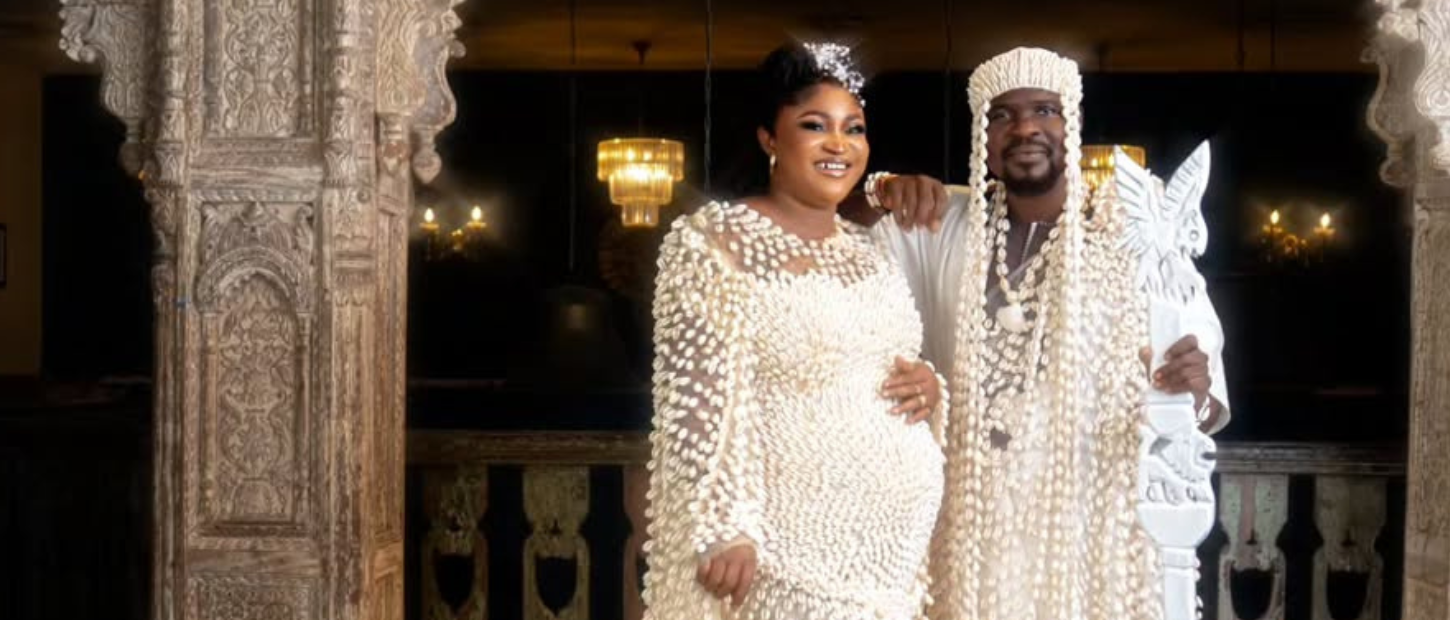
Nigeria’s social media space went into overdrive after news broke that Yoruba actor Olanrewaju “Baba Ijesha” Omiyinka and fashion entrepreneur Abiodun Tokunbo, popularly known as CEO Luminee, have welcomed a son named King Kagar.

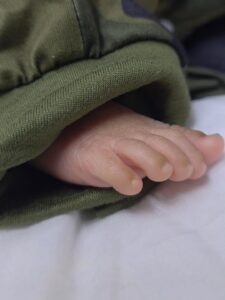
Luminee announced the arrival of their child on Instagram, describing him as a long-awaited blessing. Baba Ijesha also shared the news, introducing Luminee as his wife and expressing gratitude for the new chapter in his life.
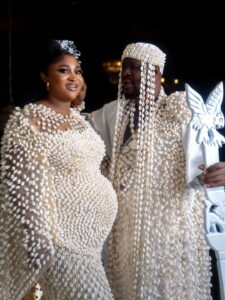
The announcement came with a maternity shoot and celebration of their growing family. But instead of only congratulations, the internet quickly became divided.
Because this story is not just about a baby.
It is about memory, accountability, forgiveness, and whether people can truly separate a person’s present from their past.
Baba Ijesha’s name remains connected to the 2021 case that led to his conviction in July 2022 by the Lagos State Special Offences Court. He was found guilty on charges including indecent treatment of a child and sexual assault involving a minor and was sentenced to five years imprisonment. The Court of Appeal later upheld the conviction.
That history is why the announcement immediately reopened old wounds.
For many Nigerians who followed the case, the reaction was not about denying someone happiness. It was about the speed at which public conversations can move from accountability to celebration.
Some people asked whether CEO Luminee was fully aware of the controversy surrounding Baba Ijesha before choosing to build a family with him. Others described the situation as shocking, while some jokingly questioned if the news was even real.
Then came the religious perspective.
Many people argued that everyone deserves forgiveness and the opportunity to rebuild their lives. They referenced the popular saying, “let him who is without sin cast the first stone,” pointing out that nobody’s past should permanently define them.
But another group raised a different concern: forgiveness does not erase history.
The biggest issue for many critics was not Luminee’s personal choice. As an adult, she has the right to decide who she loves and who she builds a life with. The concern was the public presentation of the story as a beautiful fresh start while many people still remember the serious allegations and conviction attached to Baba Ijesha’s name.
This is where the conversation becomes complicated.
Can someone serve their punishment and still be allowed to move forward?
Can society accept a person’s new chapter while still remembering the chapter that came before it?
These questions do not have easy answers.
The reactions online have shown three major sides. Some believe this is simply a love story and a family celebrating a new life. Others believe the situation deserves deeper reflection because of the seriousness of Baba Ijesha’s past. Then there are those who respond with jokes and disbelief because the contrast between the past controversy and the happy baby announcement feels difficult to process.
At the centre of it all is a child who did not choose the circumstances of their birth.
And perhaps that is the part everyone should remember.
Babies do not erase the past. But the past also does not mean people can never change.
The real conversation is not whether anyone deserves happiness. It is whether happiness and accountability can exist in the same space.
Congratulations to the new parents. But this moment has shown that some stories do not end when the headlines change. Some questions remain long after the celebrations are over.
