

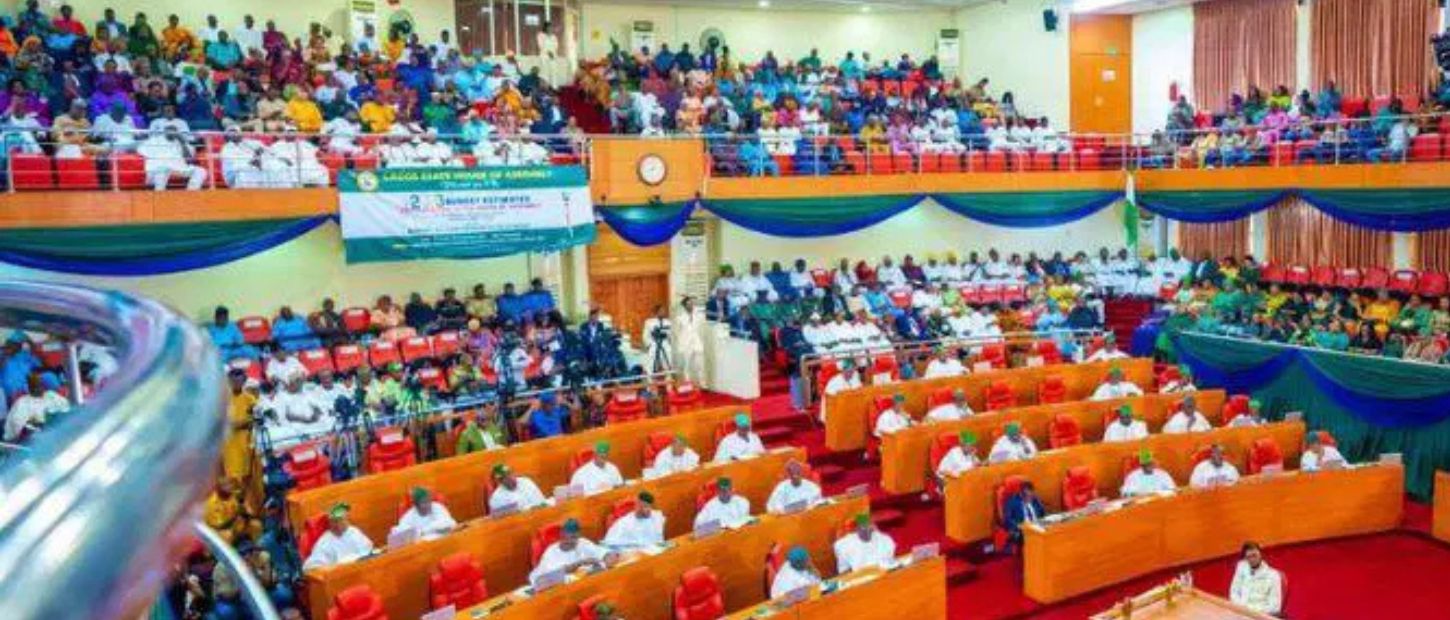
Nigeria’s upper legislative chamber has once again drawn a line against knee-jerk aggression, prioritizing measured diplomacy over sweeping economic sanctions and diplomatic rupture with South Africa despite mounting public anger over repeated xenophobic violence targeting Nigerians.
In a tense session on Tuesday, senators unanimously condemned the attacks but stopped short of endorsing radical proposals that could have escalated bilateral tensions. While many lawmakers demand stronger protection for Nigerian citizens abroad, Senate leadership insists on facts-first diplomacy.
Renewed Violence Sparks Outrage in Abuja
The debate erupted after Senator Asuquo Ekpenyong (Cross River South) presented a motion detailing how anti-foreigner vigilante groups in South Africa have gone far beyond targeting undocumented migrants. Nigerians with valid permits, work visas, and legal residency now face profiling, intimidation, looting, and forced evictions. An ultimatum issued by these groups demanding foreigners leave by June 30, 2026, triggered widespread violence that continues to displace and terrorize African nationals.
Ekpenyong reminded the chamber of Nigeria’s proud historical role in South Africa’s freedom struggle from diplomatic pressure and financial support during apartheid to hosting key anti-apartheid conferences in Lagos. After sacrificing so much to help end white minority rule, Nigerians now endure repeated attacks in the very nation they helped liberate.
Senators Push for Citizen-First Foreign Policy
Senator Mohammed Tahir Monguno (Borno North) called for a fundamental shift toward a citizen-centred foreign policy, arguing that protecting Nigerians abroad must become the core of Nigeria’s diplomatic strategy. “Safeguarding lives and property is a constitutional duty,” he stressed.
Senator Orji Uzor Kalu (Abia North) demanded compensation for destroyed businesses and properties but urged restraint, praising the Tinubu administration’s evacuation efforts while insisting South Africa must pay for the damages. Others, however, grew impatient with talk alone.
Senator Abdul Ningi (Bauchi Central) warned that endless diplomacy without teeth signals weakness. He even suggested preparing to sever diplomatic ties if the attacks persist. Senator Adams Oshiomhole (Edo North) went further, proposing that Nigeria nationalize profits from South African companies operating in the country — including banks and major businesses — to compensate victims if Pretoria refuses to act.
Oshiomhole’s fiery intervention resonated with several senators who feel Nigerian taxpayers should not foot the bill while South African firms continue profiting handsomely in Nigeria.
Leadership Calls for Caution and Investigation
Despite the heated calls for action, Deputy Senate President Barau Jibrin steered the chamber toward restraint. He acknowledged the emotional weight of the issue but emphasized the need to verify facts before drastic steps. Drawing on insights about possible internal South African political maneuvering linked to the ANC’s challenges, Senator Yahaya Abdullahi (Kebbi North) cautioned that hasty retaliation could unintentionally bolster destabilizing forces inside South Africa.
In the end, Senate leadership convinced proponents to withdraw the most aggressive proposals pending further investigation. The Senate Committee on Foreign Affairs now has two weeks to deliver a comprehensive report on the crisis.
What the Senate Actually Approved
While hardline measures were shelved, the chamber still sent strong messages to the executive:
- Demand written assurances from South Africa on the safety of Nigerians
- Push for arrests and prosecutions of perpetrators
- Create a verified register of victims for legal redress and compensation
- Strengthen consular support and emergency evacuation plans
- Engage the African Union to build early warning systems against xenophobic outbreaks
A Balanced but Bold Approach?
Critics may view the Senate’s caution as weakness in the face of repeated humiliation. Nigerians watching their compatriots suffer abroad understandably want decisive action not another round of strongly-worded statements.
Yet the leadership’s emphasis on evidence and strategic patience makes sense. Rushing into economic warfare or diplomatic breaks could harm millions of Nigerians who depend on stable relations, trade, and remittances. South African businesses employ thousands in Nigeria, and a tit-for-tat spiral would punish ordinary citizens on both sides.
Nigeria faces a genuine dilemma: how to fiercely protect its diaspora without isolating itself regionally or economically. The Senate’s decision buys time for smarter, coordinated responses involving the African Union and international partners.
The coming weeks will test whether this diplomatic path delivers real protection or whether frustrated lawmakers will demand tougher measures when the committee reports back. For now, Abuja has chosen words and investigation over immediate confrontation. Nigerian citizens in South Africa, however, need more than resolutions. They need results.
