
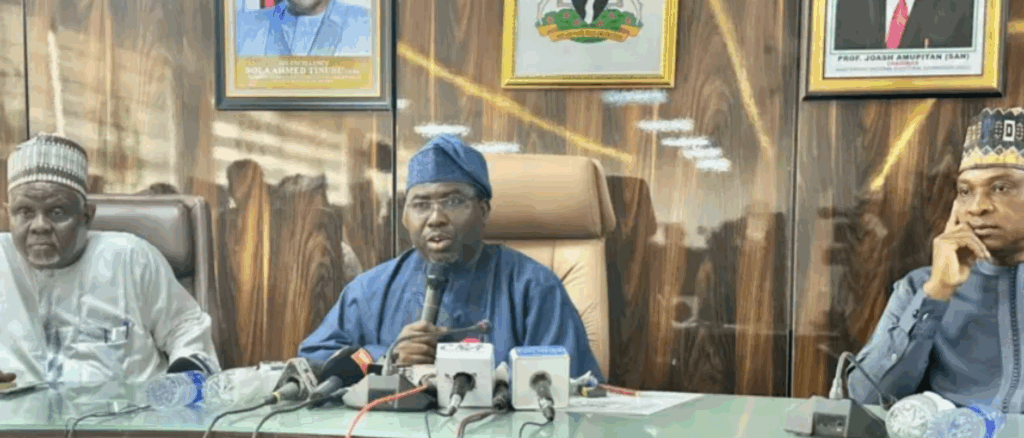
Nigeria’s electoral body, the Independent National Electoral Commission (INEC), has officially kicked off preparations for the 2027 General Elections. With the release of the Notice of Election and the full timetable of activities, the countdown to what could be one of the most closely watched elections in recent history has begun.
According to INEC, the Presidential and National Assembly elections will hold on February 20, 2027. The announcement signals the formal start of the electoral process and sets the tone for political parties, aspirants and voters to begin serious preparations.
INEC Chairman, Professor Joash Amupitan, described the release of the timetable as an important milestone in Nigeria’s democratic journey. He emphasized that giving early notice allows political parties, civil society organizations and the electorate enough time to prepare properly. On the surface, it sounds like routine electoral procedure. But in Nigeria, elections are never just routine.
This announcement is coming at a time when debates are still ongoing around certain provisions in the Electoral Act, especially the clause concerning electronic transmission of results. The issue of result transmission has remained one of the most controversial aspects of recent elections, with many Nigerians insisting that transparency and technology are crucial for credibility.
INEC says it is closely monitoring the proposed amendments to the Electoral Act currently before the National Assembly. However, the commission made it clear that it will continue to operate within the existing law until any amendments are formally passed and take effect. In other words, reforms may be coming, but for now, the old rules still apply.
The bigger question is this: will 2027 be different?
For many Nigerians, elections are no longer just about voting. They are about trust. Trust in the system. Trust in the process. Trust that results reflect the will of the people. Announcing a timetable early is a positive step, but credibility will ultimately depend on how transparently the process is handled.
Political parties will soon begin their internal calculations. Aspirants will start building alliances. Campaign rhetoric will slowly creep into everyday conversations. Civil society groups will push for accountability. And Nigerians, many of whom are battling economic hardship, will be watching closely.
The 2027 elections may still be months away, but politically, the race has already started. The release of the timetable is more than just dates on paper. It is the opening whistle in what promises to be another intense chapter in Nigeria’s democratic story.
Now the real question is not just who will run. It is whether the system will rise to meet the expectations of a country that is demanding better.