Nigerian rapper Odumodu Blvck is once again making headlines, but this time it’s not for his infectious energy or “Motion” anthem.
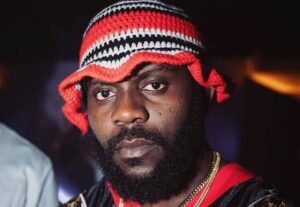

On Friday, the Industry Machine hitmaker took to X (formerly Twitter) accusing Chocolate City Music of orchestrating multiple attempts to have him arrested. Including right before major international tours claiming that was the “9th attempt,” linking it to his public exposure of alleged issues within the label, including a sexual abuser “under their roof.”


The label denied the claims in an interview, stating they lack any authority to arrest individuals and that the matter is now before the courts. They declined further comment out of respect for legal processes. This back-and-forth is the latest chapter in a messy feud that traces back to December 2025, when Chocolate City accused Odumodu Blvck of assaulting and head-butting staff member Feyi Ajayi backstage at the Rhythm Unplugged concert, describing it as part of a “sustained pattern of harassment, stalking, and physical violence.”


Odumodu Blvck alleges frivolous petitions, police involvement, and sabotage of his career momentum. The label points to real threats to their team. Whatever the truth turns out to be, this saga perfectly illustrates a toxic pattern that Afrobeats can no longer afford to romanticize.
Afrobeats has a violence problem.
From Burna Boy allegedly slapping DJ Tunez from behind at Obi’s House (then dancing to the man’s own song in a towel while mocking the incident) to backstage scuffles, hotel elevator confrontations, spitting at managers, and public threats, the genre’s biggest stars keep turning personal disputes into public spectacles that generate streams, engagement, and headlines.
As Tomide Marv put it earlier this year, the culture operates on an unspoken agreement: if you can make thousands of people scream your hooks back at you, you’re too valuable to be fully held accountable for what you do with your hands. Talent grants indemnity. The algorithm rewards the drama. Blogs, stans, and even some in the industry treat these incidents as entertaining “beef” rather than serious red flags involving real people getting hurt.
Odumodu Blvck’s claims, whether proven or not, sit right in this continuum. Public accusations fly, petitions circulate, tours get disrupted, and fans pick sides while the beat keeps playing.
What makes Afrobeats’ violence problem especially corrosive is how intimately the music weaves itself into the fabric of everyday Nigerian life. The genre has always mirrored the raw realities of its environment hustle, street credibility, survival, excess and in turn, it shapes the aspirations and attitudes of a generation.
That reflection has a dark side. When the biggest names keep surfacing in assault allegations, backstage brawls, and public threats, it’s no coincidence that so many tracks glorify the same aggression. Punchlines about “wiping” opponents, flexing dominance, and settling scores have moved beyond metaphor. They echo real-world incidents and, worse, normalize them. The violence in the lyrics isn’t just storytelling anymore. Artists who move recklessly off-stage often double down in the booth, turning personal chaos into marketable “energy.”
Fans chant hooks that romanticize the very disorder playing out in their timelines, creating a feedback loop where street credibility and artistic authenticity become indistinguishable from actual harm.
We’ve reached a point where “separating the art from the artist” feels like a hollow intellectual exercise. You’re not consuming this music at arm’s length. You’re living inside it letting these voices narrate your most personal moments while their off-stage actions raise serious moral questions.
Yet the industry shrugs, labels hide behind polished “due process” statements. Fans wave away criticism as hate or label politics. The result is a sturdy protective wall built brick by brick around problematic behavior, even as the genre conquers global charts and stages.
This isn’t exclusive to Afrobeats; hip-hop and rock have long romanticized their outlaws but the genre’s and lightning-fast growth in Nigeria and the diaspora make the stakes higher. We’re watching talented adults repeatedly choose disorder, fully aware the culture will forgive (or even celebrate) it as long as the streams keep climbing.
Afrobeats Is Mature Enough To Demand Better From Its Stars.
Real accountability starts by naming issues plainly, refusing to treat physical violence or intimidation as “unfuckwithable” branding, and rejecting the idea that talent is a get-out-of-jail-free card. Media, journalists, promoters, and fans all have roles. Continuing to platform chaos without consequences only erodes the culture from within.
Odumodu Blvck’s latest rant and Chocolate City’s response are just today’s episode. The real question is whether Afrobeats will keep rewarding the drama or finally decide that great music shouldn’t come with a body count, literal or figurative.