

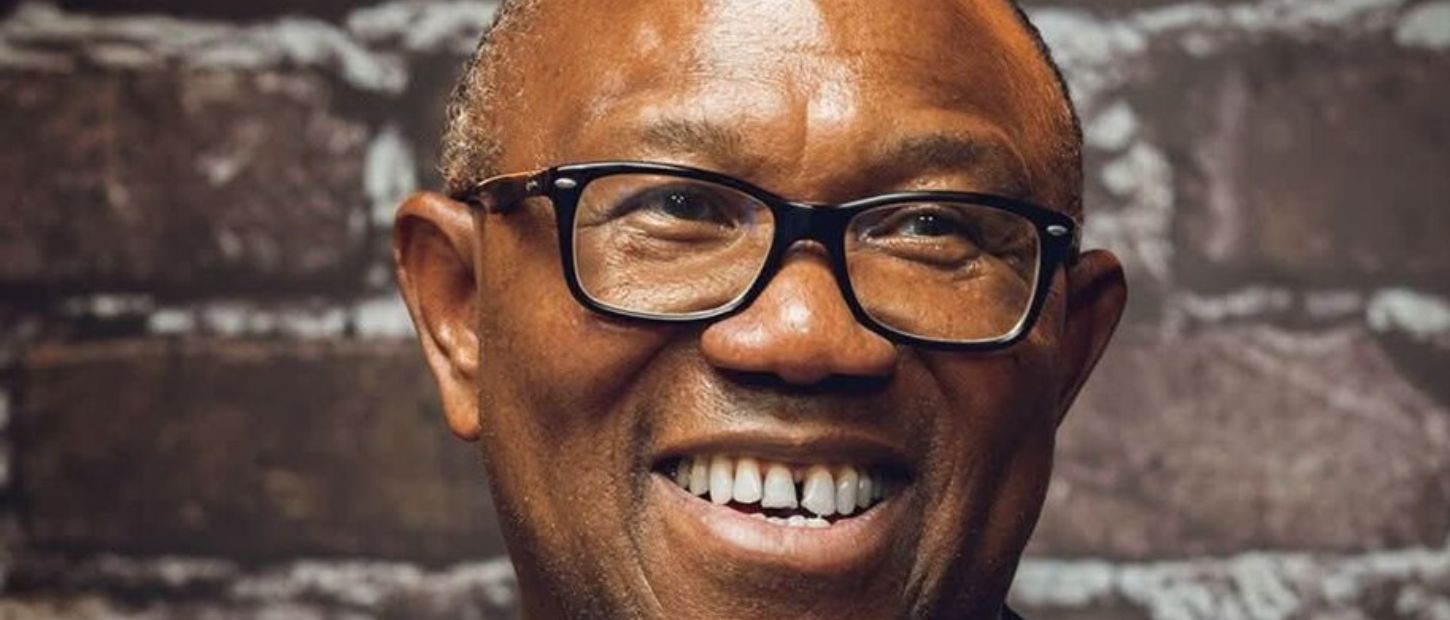
Peter Obi’s recent remarks that he may not “even be alive” before the 2027 presidential election have predictably divided public opinion. Supporters see them as a brave warning about the shrinking space for opposition politics, while critics dismiss them as political rhetoric aimed at generating sympathy.
The truth likely lies somewhere in between.
Obi’s claims are serious and should not be casually ignored. In any democracy, an opposition leader alleging intimidation, isolation, and institutional obstruction raises legitimate concerns that deserve independent scrutiny. Whether it is an airport incident, alleged bureaucratic hurdles, or claims that people are afraid to publicly associate with him, these allegations point to a perception problem that the government cannot simply wave away.
At the same time, allegations alone cannot replace evidence. Nigeria’s political history is filled with dramatic claims from politicians across party lines, especially as elections draw closer. Without verifiable proof, such statements risk fueling fear, deepening political polarization, and weakening public trust in institutions.
The Presidency’s swift rejection of Obi’s allegations was expected, but dismissing them outright without transparent engagement does little to reassure Nigerians. If the government is confident that no political persecution exists, allowing independent investigations into specific incidents would strengthen, not weaken, its credibility.
This debate extends beyond Peter Obi or President Bola Tinubu. It is about the health of Nigeria’s democracy. Opposition figures must be free to campaign, speak, and participate in politics without fear of harassment. Likewise, they also have a responsibility to ensure that public allegations are backed by facts and not speculation.
As 2027 approaches, Nigerians should resist the temptation to view every political statement through a partisan lens. Instead, the focus should remain on building institutions that guarantee fairness regardless of who occupies power or who seeks it.
Democracy thrives when both government and opposition are held to the same standard of accountability. Obi’s comments should therefore be treated neither as unquestionable truth nor as mere political theater. They should serve as an opportunity to demand greater transparency, stronger institutional independence, and a political environment where every candidate can compete on equal footing.
Ultimately, Nigeria’s greatest challenge is not whether one politician feels threatened. It is whether the country’s democratic institutions are strong enough to convince every Nigerian that elections will be contested freely, fairly, and without fear.
