
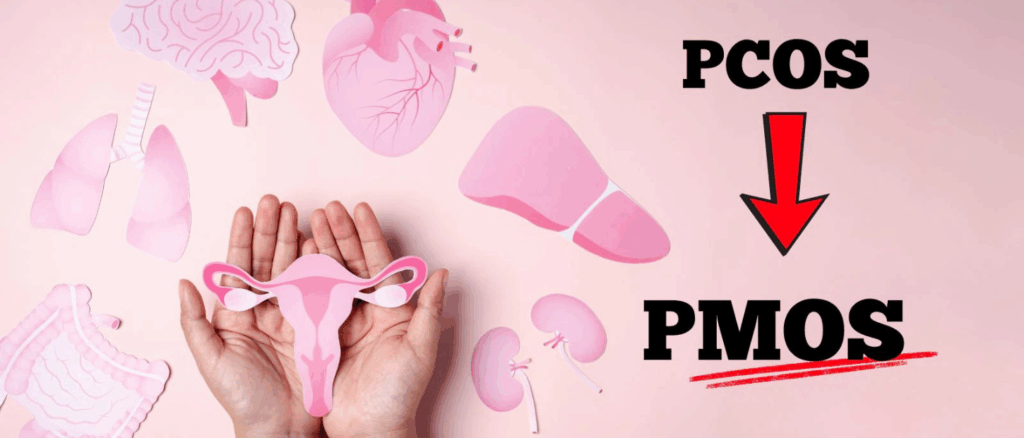
The medical world is gradually moving away from the term Polycystic Ovary Syndrome (PCOS) and replacing it with a new name: Polyendocrine Metabolic Ovarian Syndrome (PMOS). While the new name may sound more complicated at first, doctors say it actually explains the condition better than the old one did.
For many years, people believed PCOS was simply a condition where women developed cysts in their ovaries. The name itself made it seem like the problem was only connected to the ovaries. But over time, doctors and researchers discovered that the condition affects much more than that.
In fact, many women diagnosed with PCOS do not even have ovarian cysts. This created a lot of confusion because people expected cysts to always be present before someone could be diagnosed. Some women were even told they did not have PCOS simply because scans showed no cysts, despite having several symptoms linked to the condition.
Health experts now say the condition is actually a full-body hormonal and metabolic disorder. This means it affects different systems in the body at the same time, including hormones, blood sugar regulation, metabolism, fertility, skin health, and even mental wellbeing.
Because of this growing understanding, PCOS is now being referred to as PMOS, which stands for Polyendocrine Metabolic Ovarian Syndrome. According to experts, the new name reflects the broader biological basis of the condition and highlights that it is not just about ovarian cysts.
Broken down simply:
- “Polyendocrine” means multiple hormone systems in the body are involved.
- “Metabolic” refers to how the body handles sugar, insulin, energy, and weight.
- “Ovarian” still shows that the reproductive system is also affected.
Doctors say the condition can affect periods, fertility, skin, mood, body weight, and blood sugar levels. Some people experience acne, excessive facial hair, irregular periods, hair loss, fatigue, or difficulty losing weight. Others may struggle with insulin resistance, which increases the risk of diabetes and other long-term health complications.
Experts say the term “polyendocrine” is especially important because it shows that the condition is a systemic endocrine disorder and not merely a reproductive issue. The new name also places more attention on hormone imbalances, insulin resistance, and long-term metabolic risks that many patients experience.
Many healthcare professionals believe the renaming could improve awareness and help people better understand the seriousness of the condition. They also believe it may encourage more comprehensive treatment plans that focus on the whole body rather than only reproductive symptoms.
The name change has already sparked conversations online. While many people have welcomed PMOS as a more medically accurate term, others feel it sounds too technical and harder to remember. Some patients also worry it may take years before everyone, including hospitals and healthcare providers, fully adjusts to the new terminology.
Still, many experts believe the change is necessary because it reflects current research on the root causes and long-term health implications of the condition. They say the goal is to support a more holistic approach to care and reduce the confusion and stigma that came with the old name, PCOS.
One important thing to note is that the condition itself has not changed. Only the name and medical understanding behind it are evolving. The aim of the new term is simply to give a clearer explanation of what patients are truly dealing with and to help people receive better diagnosis, treatment, and long-term care.