

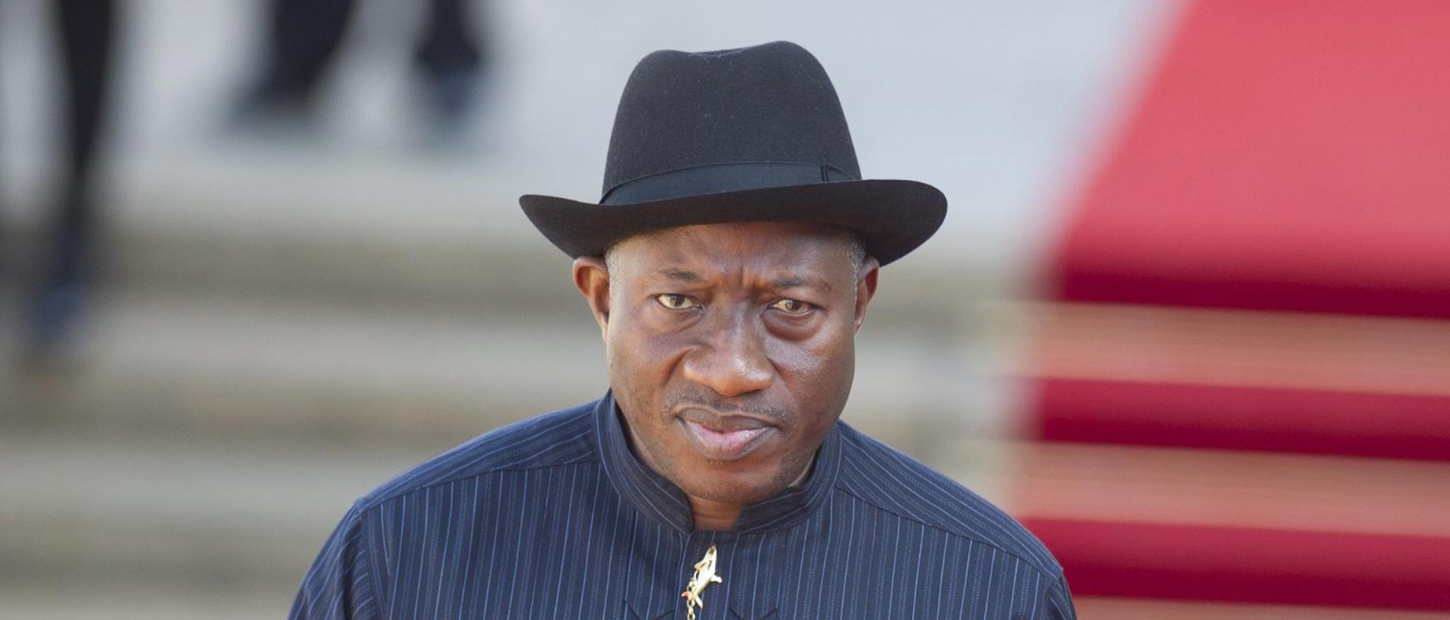
Reports that a faction within the Peoples Democratic Party (PDP) is pushing former President Goodluck Jonathan as a possible 2027 presidential candidate has once again reopened Nigeria’s most tiring political argument. The country is split between those who see it as a smart comeback and those who believe it is just another round of political recycling.
To be clear, there has been no official, unified PDP declaration, and Jonathan himself has not confirmed any intention to run. Still, the mere suggestion has been enough to trigger debate about whether Nigeria is moving forward politically or simply circling the same names.
Supporters of Jonathan’s possible return argue from a place of comparison. They look at his administration between 2010 and 2015 and remember a period that, while not perfect, felt politically calmer than what many Nigerians experience today. His biggest political credit remains the 2015 concession speech, where he peacefully handed over power after losing an election. That moment is still widely praised as a democratic milestone in Africa.
In contrast, the current administration is dealing with heavy public frustration over inflation, insecurity, and rising cost of living. For many Nigerians, daily life feels more unstable now than it did during Jonathan’s years in office. Because of that, some believe his return could bring a softer, less confrontational leadership style. They see him as someone who may not fix everything, but could reduce the political tension that currently defines national life.
However, this argument leans heavily on nostalgia.
Critics are quick to point out that Jonathan’s presidency also had its share of serious challenges. Insecurity was already a major issue during his tenure, especially with the rise of insurgency in the North East. Economic management was also questioned, particularly at a time when oil revenue was relatively strong but development outcomes were widely debated. For them, bringing him back does not represent progress, but a return to unresolved problems.
The bigger concern for critics is not even Jonathan himself, but what his possible comeback represents. It suggests a political system that continues to recycle familiar figures instead of building new leadership pipelines. In their view, Nigeria’s democracy keeps rotating the same elite class while the country’s problems evolve faster than its political solutions.
The PDP itself is also part of the problem. The party appears divided into factions with different interests and strategies, and the Jonathan conversation exposes that lack of unity. Rather than presenting a clear direction ahead of 2027, the opposition seems to be testing old political names to see what sticks. That approach raises a simple question. Is this strategy or confusion?
When compared directly to the current administration, the debate becomes even sharper. The present government is under pressure for its economic policies and rising hardship, while Jonathan’s era is remembered more for political stability than economic transformation. But Nigeria’s situation today is not the same as it was a decade ago. The scale of insecurity, debt, and economic strain means voters may demand more than familiarity. They may want structural change rather than emotional comfort.
That is where the Jonathan 2027 conversation becomes complicated. He represents both comfort and limitation. Comfort because he is known and has governed before. Limitation because Nigeria’s problems have deepened in ways that may require a different kind of leadership entirely.
In the end, the debate is less about one man and more about a country stuck between two instincts. One is the desire to return to familiar faces in moments of uncertainty. The other is the growing frustration with repeating the same political cycle and expecting different results.
Whether Jonathan enters the race or not, the reaction to his name already reveals the truth. Nigeria is still searching for leadership it can trust, but it is also running out of patience with leadership it already knows.
