

Former Anambra State governor and Labour Party presidential candidate, Peter Obi, has once again sparked conversation after sharing his vision for rebuilding Northern Nigeria, a plan he believes could shift the country’s economic focus away from oil and toward agriculture.
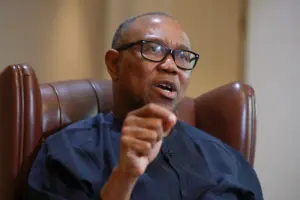

Speaking during an interview on Arise TV, Obi described a future where the North becomes Nigeria’s strongest economic asset, driven by agriculture, education, and strategic investments. He argued that the region’s vast and fertile land remains largely underutilized, insisting that if properly harnessed, agriculture could generate more revenue than crude oil.
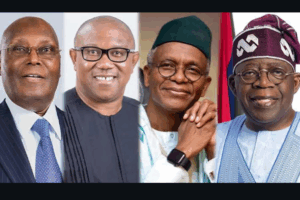
Obi’s confidence in this vision is backed by his ongoing engagements with key northern political figures, including Nasir El-Rufai and Rabiu Musa Kwankwaso. According to him, these alliances are part of a broader effort to drive economic revival, reduce poverty, and improve access to education and healthcare across the region.

At the center of his argument is a long-running national debate, whether agriculture can truly rival oil as Nigeria’s biggest revenue source. Obi insists it can, stressing that beyond food production, agriculture holds the key to job creation, improved security, and long-term economic stability, particularly in a region grappling with poverty and insecurity.
While supporters have praised his ideas as bold and forward-thinking, critics remain cautious, pointing to deep-rooted structural challenges that may not be easily solved through policy proposals and political partnerships alone.
Obi’s remarks also bring renewed attention to his political journey. After serving as governor of Anambra State from 2006 to 2014 under the All Progressives Grand Alliance, he moved to national politics and became the vice-presidential candidate of the Peoples Democratic Party in 2019, running alongside Atiku Abubakar. Although they lost the election, Obi later joined the Labour Party, where he emerged as its presidential candidate in the 2023 general elections.
His 2023 campaign gained significant traction, especially among young Nigerians, giving rise to the widely recognized “Obidient” movement. Despite not winning the presidency, his performance challenged Nigeria’s traditional two-party dominance and cemented his place as a key figure in the country’s political landscape.
Before stepping into politics, Obi built a strong career in business, holding leadership roles in banking and other private sector ventures. That background continues to shape his approach, as he consistently advocates for running Nigeria like a business, prioritizing production over consumption, and investing heavily in sectors like agriculture and manufacturing.
With his latest comments, Obi has once again placed himself at the center of Nigeria’s development conversation, leaving many to wonder whether agriculture can truly become the country’s new oil, or if it remains an ambitious vision waiting to be tested.