
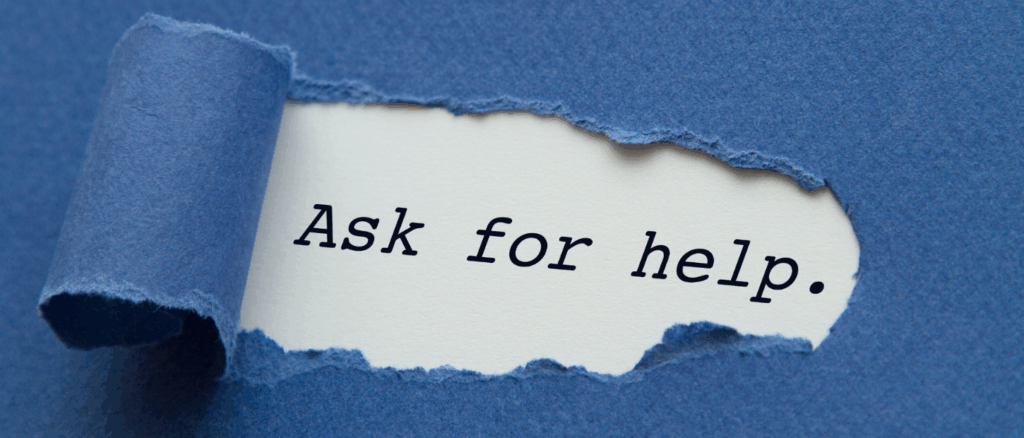
In a world that praises independence and resilience, many people quietly struggle with one simple question: When should I ask for help? There is often an instinct to push through alone, sometimes out of pride, sometimes out of fear of burdening others, and sometimes because we genuinely do not realize we have reached our limit. But knowing when to reach out is not weakness. It is wisdom.
One of the clearest signals is when you have genuinely tried and hit a wall. There is value in wrestling with a problem on your own. It builds capability, confidence, and perspective. But when you find yourself going in circles without progress, continuing alone stops being growth and starts becoming unnecessary strain. Effort is admirable. Endless frustration is not.
Another strong indicator is when the stakes are high. A small inconvenience may not require outside input. But when the consequences of getting it wrong carry financial, professional, emotional, or relational weight, asking for help becomes a strategic decision. Seeking guidance in high impact moments is not surrendering control. It is protecting your future.
Emotional clarity also matters. Stress, exhaustion, grief, and fear cloud judgment. When you are in the middle of an emotional storm, your thinking narrows. That is precisely when an outside perspective becomes most valuable, even though it may feel hardest to ask. Support during emotional turbulence can prevent reactive decisions and long term regret.
Time is another quiet signal. There is no universal deadline for struggle. But if you have been carrying something for weeks or months without resolution, that is information. Silent suffering rarely produces breakthroughs. Prolonged strain often spills into other areas of life, including sleep disruption, irritability, declining performance, or strained relationships. When a single issue begins affecting your health or peace, it is well past time to reach out.
Perhaps the most honest marker is this: earlier than feels comfortable. Most people wait too long. We tend to ask for help at the breaking point, when we would have benefited from support much sooner. A simple rule of thumb is this: if you are wondering whether you should ask for help, you probably should.
The deeper truth is that asking for help does not mean something has gone wrong. It means you are self aware enough to recognize your limits. The people who navigate hard seasons best are rarely those who try to handle everything alone. They are the ones who understand that strength and support are not opposites. They work together.
Reaching out is not a confession of failure. It is a commitment to growth, clarity, and well being. Sometimes, the most powerful act of self respect is allowing yourself not to carry everything alone.