

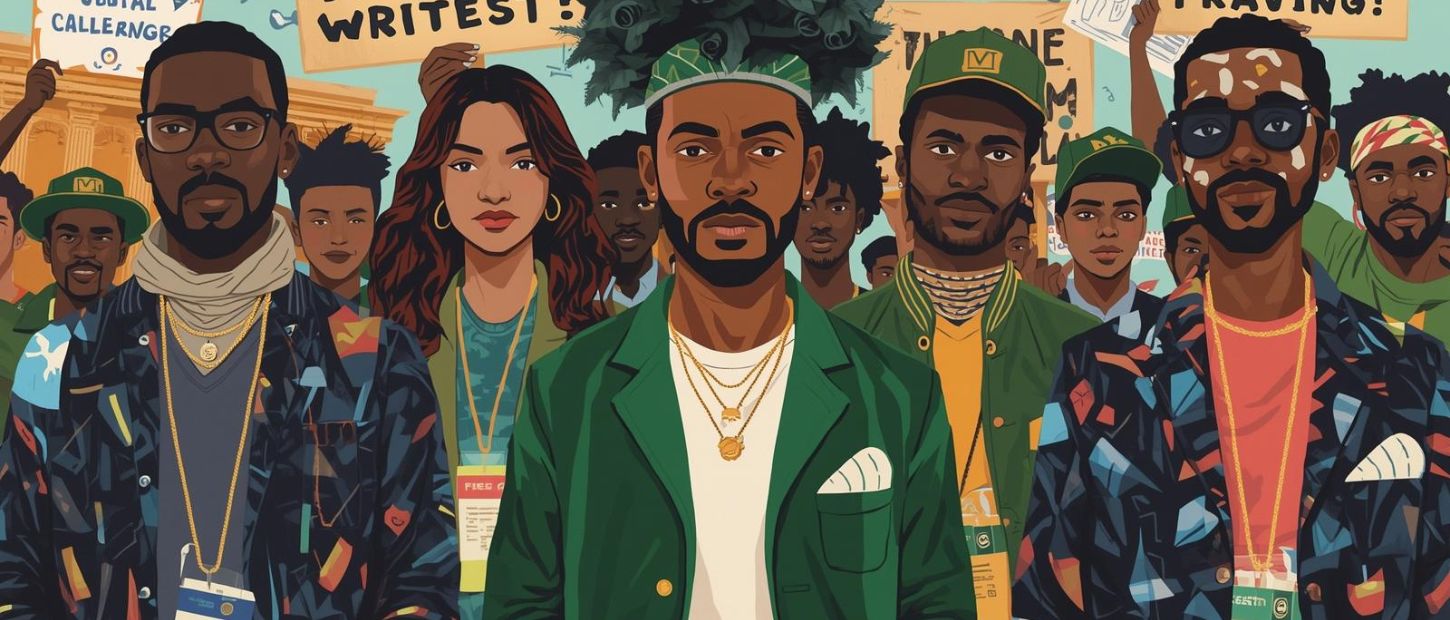
In Nigeria, celebrity Activism often looks like courage, but behaves like branding.
When an issue trends online, Nigerian celebrities suddenly become activists. Posts, Instagram captions, raised fists, and hashtags flood social media. It feels powerful for a moment. But watch carefully. The moment the issue moves from social media to real power, many of those voices disappear. When it is time to question politicians directly, and challenge institutions, they go silent. They fear they can’t risk contracts, and political connections, and most of the time, political persecution.
This is a challenge to a culture of safe activism that has quietly become the norm. Because real activism in Nigeria has consequences. You have almost everything to lose. So instead, many celebrities master a safer strategy. They speak when it is popular, and the crowd is watching. Then go quiet when the system itself must be confronted. That is not activism but brand management.
Real activism has never been comfortable. It costs influence, time, and money. Sometimes it even costs freedom. Which raises a question Nigerians must start asking: Are celebrities fighting for change or protecting their brand while the public mistakes it for courage? The loudest voices during trending moments are often not the bravest in the room. The real courage usually belongs to people whose names never trend at all.
Celebrity behaviours reveal when activism is just PR. When you watch closely, patterns begin to appear. They speak and post only when an issue is already trending. They stop and their messages disappear once the trend ends. True and real activism often begins before the cameras arrive, and continues long after the hashtags disappear. Their tone is always carefully balanced, and the language sounds powerful but never crosses a line that could threaten endorsements, roles, freedom, and relationships.
They quickly return to brand promotion. The activism moment becomes just another content cycle. They really take personal risks. When there’s no risk at all, it raises questions about how deep the commitment really is.
They let the public mistake visibility for courage. A viral tweet can look like bravery. But real courage often happens away from social media. It happens in consistent pressure, organization, and long-term advocacy, work that rarely trends. Visibility is powerful. But visibility alone is not activism.
Nigeria does not suffer from a lack of celebrity voices. Nigeria suffers from a culture where visibility is mistaken for courage, and branding is mistaken for activism.
