

There was a time when owning a “foreign car” in Nigeria almost automatically meant one thing: Toyota, Honda, Mercedes-Benz, or a European luxury brand.
For years, Japanese and European vehicles dominated the Nigerian auto market. They were trusted, familiar, and had a reputation for surviving Nigerian roads.
But something has changed.
More Nigerians are now looking towards China.
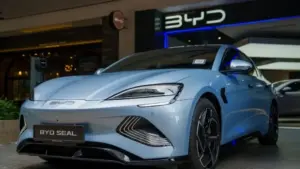

Brands like BYD, Chery, Geely, GAC, Changan, Haval, and Jetour are becoming more visible among Nigerian car buyers, introducing a new conversation around affordability, technology, and electric mobility.
And this shift says more about the changing Nigerian consumer than just a preference for cheaper cars.
The truth is, Nigerians are not moving towards Chinese cars because they suddenly stopped appreciating traditional brands. They are moving because the rules of the market have changed.
Price is now a major factor.
With rising costs of living, foreign exchange challenges, import expenses, and the general cost of maintaining a vehicle, many buyers are looking for value. Chinese manufacturers have positioned themselves perfectly in that space by offering modern vehicles at prices that feel more realistic for today’s economy.
But affordability is only one part of the story.
China’s biggest advantage is that it understands the future of cars.
The global auto industry is no longer only about engines and horsepower. It is about technology, efficiency, and smart features. Chinese brands like BYD, which has become one of the biggest names in electric vehicles globally, have invested heavily in EV technology and modern automotive systems.
A Nigerian buyer can now look at a Chinese vehicle with a sleek interior, smart dashboard, cameras, and advanced features and ask a simple question:
“Why should I pay more for less?”
That question is changing the market.
However, the rise of Chinese cars in Nigeria still comes with doubts. Many Nigerians remain cautious about durability, spare parts availability, repair knowledge, and resale value.
And those concerns are understandable.
Toyota built its reputation over decades because Nigerians knew where to fix it, how long it could last, and how much value it would retain. Chinese brands are still building that trust.
But every major automotive shift has started with skepticism.
When Japanese cars entered global markets, many questioned their reliability. Today, those same brands are considered some of the most dependable vehicles in the world.
China may be at the beginning of that same journey.
The bigger conversation is not really about China versus Japan or China versus Europe. It is about how Nigerian consumers are adapting to a changing world.
People are becoming more practical. They want affordability, innovation, and efficiency. They want cars that match their realities, not just cars that carry a certain name.
China’s rise in Nigeria’s auto market is a sign that global power is shifting. The countries producing tomorrow’s technology may not be the same ones that dominated yesterday.
For years, China was seen as the place where the world made cheap products.
Now, it is becoming one of the places where the world builds the future.
And Nigeria is paying attention.